

























































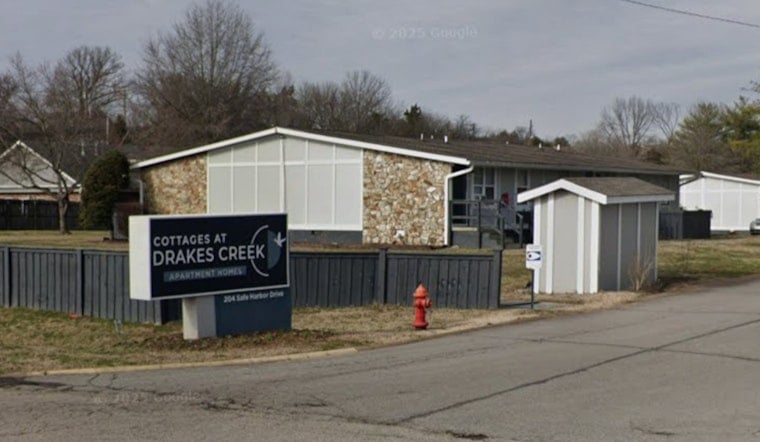
At the 60-unit Cottages at Drakes Creek in Goodlettsville, a closely watched plan to turn the rental complex into Nashville’s first publicly funded limited-equity housing cooperative has hit a wall, residents say. After income checks surfaced unexpected eligibility issues, renters who thought they were on the path to shared ownership are now stuck in limbo, pressing sponsors for clear answers on who can actually buy in and how long the process will drag on.
According to reporting by the Nashville Banner, an income-verification review of residents who signed up found roughly 15 people over the co-op’s 50 percent area-median-income cutoff, even though sponsors say 54 residents had raised their hands to join. That gap between interest and eligibility has forced sponsors to rethink both the project timeline and the rules that determine who gets a seat at the table.
How the pilot was supposed to work
The Cottages at Drakes Creek, a 60-unit complex on Safe Harbor Drive, was purchased in 2024 by the William Franklin Buchanan Community Development Corporation, working with the Southeast Center for Cooperative Development, with the goal of converting the property into a limited-equity cooperative, according to WFBCDC. The deal came with public backing, and development coverage highlighted a major Barnes Housing Trust Fund award in 2024 that helped finance the acquisition and planned improvements, as reported by Nashville Scene. Sponsors framed the co-op as a way for tenants to swap rent payments for lower monthly maintenance fees and to gain democratic control over how the property is run.
Money and the sign-up confusion
Property floor plans and public listings show monthly maintenance fees of $1,033 for one-bedrooms and $1,239 for two-bedrooms, along with a $500 one-time buy-in listed on the community website and leasing pages, per Drakes Creek Cooperative and Apartments.com. At the same time, some reporting and sponsor statements have described a $1,000 membership share instead of a $500 buy-in, a discrepancy that residents say has only fueled confusion about what they will owe and who will be allowed to join, according to the Nashville Banner. For tenants who signed on believing the co-op would lock in stability rather than price them out, that mismatch has sharpened nerves about what comes next.
Who qualifies – the 50% AMI math
The cooperative has been targeted to households at or below 50 percent of the area median income, a level that equates to about $40,200 for a one-person household and roughly $45,950 for a two-person household in the Nashville metro, based on HUD-derived income tables compiled by Westmont Advisors. Advocates of the model say the limited-equity structure keeps units permanently affordable by capping resale gains and pegging fees to that income band, a key design detail previously outlined by Nashville Scene. That 50 percent AMI cutoff is now at the center of the dispute, since it effectively decides which current residents are allowed to become co-op members and which ones may be left on the outside.
Commission moves and the timeline
At its Feb. 24 meeting, the Metropolitan Housing Trust Fund Commission placed a contract amendment from WFBCDC on the agenda that would extend the cooperative-conversion milestone, the deadline to complete the resident transfer, beyond the original target date of December 31, 2025. Staff noted a proposed new deadline of June 30, 2027. The request appears in the commission’s official agenda, which also lists March 24 as the date of the next meeting. Sponsors say the extra time is meant to allow completion of income verification, resident training, and other due diligence before ownership officially transfers to the co-op.
Legal questions and what residents can do
The commission’s agenda packet specifically notes that “decisions of the Metropolitan Housing Trust Fund Commission may be appealed to the Chancery Court of Davidson County,” a line that effectively lays out a formal legal path for tenants who believe grant terms or contract commitments were not honored. WFBCDC has repeatedly said the project is structured to avoid displacement and that staff will see residents through verification and training steps. Tenants, for their part, are still pushing for concrete, written guarantees on eligibility rules, costs, and timing. How the commission ultimately rules on the amendment, and whether sponsors can resolve the income discrepancies without cutting out existing households, will determine whether the conversion becomes a model for cooperative homeownership or a drawn-out fight over who actually gets access to it.





