

























































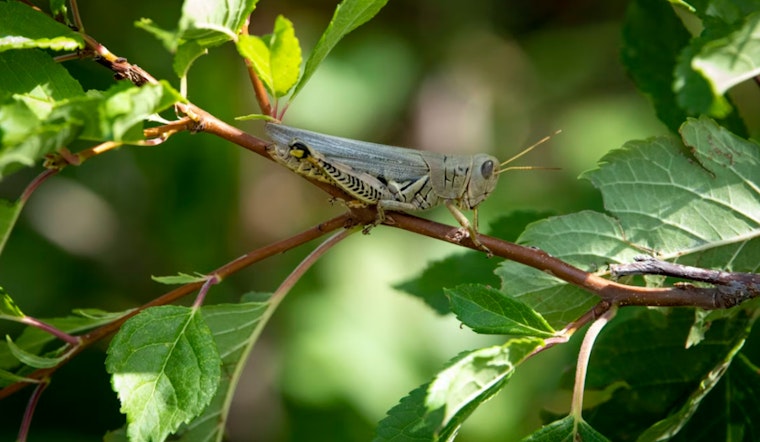
The Valley is hopping, and not in the fun nightlife way. A startling number of grasshoppers have popped up across the Phoenix area this week, splattering windshields, piling in parking lots and unnerving commuters. Residents and drivers across the metro are posting photos and videos of the insects clinging to cars, doorways and desert landscaping in the early‑morning and evening hours. The sudden visibility, and the squeamish reactions to it, has people scrambling for an explanation.
Television cameras have captured just how intense it looks. On March 20, footage showed parking lots and parked cars practically coated in grasshoppers. As reported by FOX 10 Phoenix, reporter Taylor Wirtz walked viewers past windshields and shopping‑center lots dotted with insects, while neighbors told the station they were finding bugs stuck to their doors and windows. Those scenes mirror dozens of posts from residents around the Valley.
What's driving the boom?
Experts are pointing to a familiar combo: the grasshopper life cycle and this spring's growing conditions. The pallid‑winged grasshopper, a band‑winged species common in Arizona, typically hatches from late February through March. Outbreaks are often linked to above‑normal, well‑distributed rainfall that keeps eggs viable and fuels lush weed growth, according to a species fact sheet from LucidCentral. Local entomologists and extension specialists have drawn the same connection between wet winters, abundant weeds and noticeable grasshopper surges in past years, as KJZZ has reported.
Not locusts, just a seasonal surge
Despite the drama on your windshield, these are ordinary grasshoppers, not biblical locusts marching across continents. Only a handful of grasshopper species undergo the density‑driven phase changes that create true migratory locust swarms. Agencies note that most outbreaks stay local, are tied to specific weather and vegetation patterns and usually fade without long‑term harm. The U.S. Department of Agriculture's Animal and Plant Health Inspection Service says outbreaks occur intermittently and that control efforts are concentrated where high densities threaten rangeland or crops. State plant health officials can be contacted if large‑scale damage shows up, according to USDA APHIS.
What you can do now
For most residents, the guidance is straightforward: do not panic and skip the heavy, broad‑spectrum sprays. Keep yards tidy by trimming weedy patches and mowing to remove prime egg‑laying spots, advice that extension experts say will encourage the hoppers to move along. That recommendation comes from the University of Arizona extension. Gardeners can use physical barriers such as row covers to protect tender plants, while larger or persistent infestations on rangeland or cropland are better handled through integrated pest‑management plans like those in the USDA ARS handbook, which emphasizes early monitoring and coordinated, targeted responses.
If you start seeing persistent, heavy crop damage or numbers in the range of hundreds of grasshoppers per square yard on open rangeland, officials urge you to report it to your state plant health director so they can evaluate whether suppression is needed. USDA APHIS provides guidance on when and how to request that kind of assistance. Otherwise, entomologists say the insects typically thin out as the season warms and the lush spring growth dries up, which means that for most Phoenix residents this is likely to remain a strange, short‑lived spring spectacle.





