Massachusetts utility regulators are gearing up for a statewide listening tour after National Grid asked for a sizable increase in its gas base distribution rates, a move that could nudge many customers' bills higher by the time next winter rolls around. The Department of Public Utilities is rolling out a series of public hearings so residents, local officials and consumer advocates can sound off on the utility's request.
What National Grid Is Asking For
In its filing with the DPU, National Grid is seeking roughly $342 million in additional revenue. After various adjustments, the company says the net impact would be an increase of about $144 million in distribution revenue, which works out to roughly a 12 percent jump. According to National Grid, the money would support pipeline and safety work along with a proposed five-year performance-based ratemaking plan.
A bill insert sent to customers explains that, if the DPU signs off, the change would take effect December 1, 2026, and the department is targeting a decision by November 30, 2026. New rates would start showing up on bills on January 1, 2027, and the insert includes sample bill impact scenarios so customers can see how their charges might change.
When And Where You Can Speak
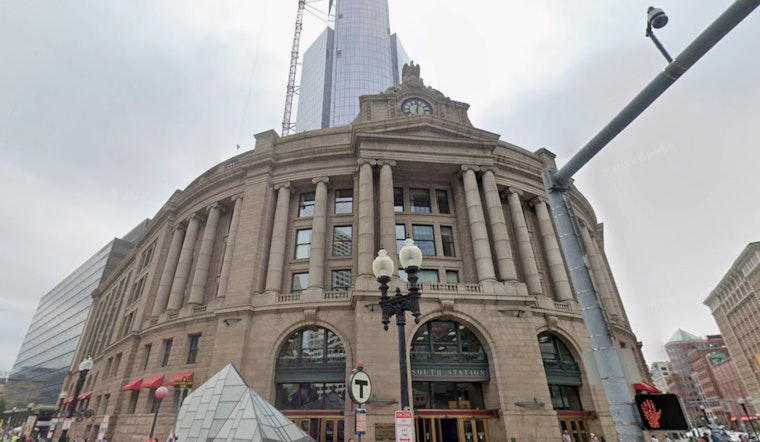
The DPU has scheduled evening hearings through March and April, starting March 18 in Lowell, March 23 in North Quincy and March 26 on Cape Cod, with more stops planned in Haverhill, Lynn and Acton, plus a virtual-only session and a final in-person hearing at One South Station in Boston. WBZ NewsRadio has the full list of dates, locations and addresses, along with interviews from customers who say their bills already feel out of reach.
Most of the hearings are set for 7 p.m. to 8 p.m. and will offer both in-person and remote participation options, giving people multiple ways to get their comments on the record.
Why Customers Are Upset
Critics argue that a large share of the requested increase would simply reimburse National Grid for pipeline work and upgrades that are already in the ground under the Gas System Enhancement Plan, even as Massachusetts policy increasingly points customers toward electrification. WCVB reports that the proposal would raise winter gas bills by about 8 to 9 percent depending on the service territory and that the filing includes an effort to recover millions of dollars the company previously waived after billing delays last winter.
That combination of big infrastructure costs and recent service problems has fueled frustration for customers and prompted closer scrutiny from state officials.
How To Weigh In And The Legal Stakes
Written comments to the DPU are being accepted until 5:00 p.m. on April 30, 2026. As outlined in Boston.gov, submissions need to reference docket D.P.U. 26-50 and be emailed to both [email protected] and [email protected].
The Attorney General's Office has already filed a notice of intervention and asked for approval to hire expert witnesses, seeking up to $600,000 to dig into the company's numbers and claims. That expert review will be central to the evidentiary phase of the case. Members of the public who want to intervene as formal parties will have to follow the department's filing rules and deadlines.
Once the hearings wrap up and written comments are in, the DPU will go through the full record before issuing a decision. If the panel signs off on the request as proposed, customers would likely see higher winter bills beginning in early 2027. For now, the hearing schedule and open docket give residents one of their clearest chances to influence how much of National Grid's plan ultimately makes it onto their bills.