

























































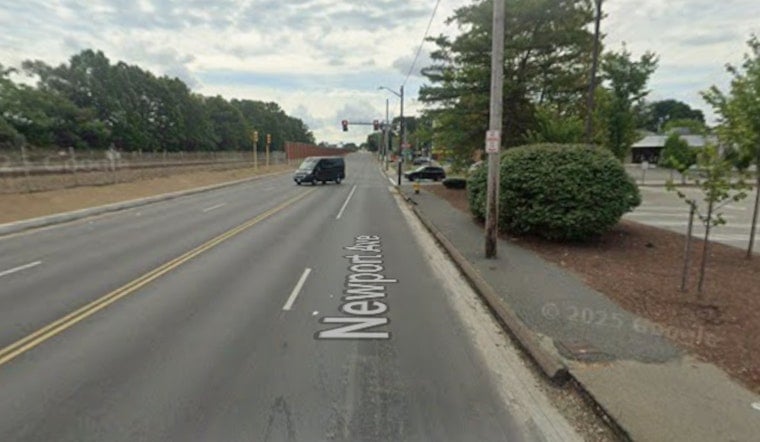
A 520-unit residential complex could soon rise at 100–150 Newport Ave, crowding out a surface parking lot and two granite telecommunications buildings right next to the North Quincy MBTA Red Line station. The proposal would drop hundreds of apartments directly on the station's doorstep and, because the site sits inside the MBTA Communities zoning area, it can move ahead without the usual sign-off from Quincy's zoning board. In both scale and location, it is one of the largest Red Line-adjacent projects floated in Quincy in recent years.
Early look at the North Quincy station proposal
According to initial filings reported by The Patriot Ledger, the developer has outlined plans for a 520-unit complex on a site that is currently a parking lot flanked by two telecommunications buildings. The coverage underscores how the parcel sits immediately beside the North Quincy station, a selling point for the developer and a key reason the project can tap a streamlined permitting track. At this stage, public filings do not yet include a construction schedule or glossy design renderings, so neighbors are still guessing what the finished complex might look like.
How the MBTA Communities Act shapes the project
The MBTA Communities Act requires cities and towns with MBTA service to zone for multifamily housing as of right near transit. That policy shift has pushed thousands of homes into the development pipeline in recent years, according to reporting by GBH. As of right means a developer who meets zoning can skip certain discretionary local zoning reviews, which is why a large, transit-adjacent project in Quincy can proceed without a stop at the zoning board. Supporters credit the law with speeding housing near transit. Critics counter that it trims local leverage over design details and can outpace planning for roads, sewers and other basics.
Traffic, transit and neighborhood worries on deck
The MBTA Communities statute does not require cities and towns to expand roads, schools or transit capacity to match the new housing it enables, a gap that has fueled heated debates across Greater Boston, as a Boston.com primer on the law has noted. That backdrop helps explain the likely flashpoints here: the loss of existing parking, how people on foot and bikes will safely reach the station, and whether the Red Line and nearby streets can absorb another wave of rush-hour trips. Quincy residents and planners can be expected to push for detailed traffic studies, pedestrian upgrades and on-site mitigation measures once full plans hit the public docket.
What still stands between filings and a groundbreaking
Skipping the zoning board does not mean the bulldozers roll in next week. Large projects still need building permits, engineering sign-offs and, often, formal site-plan review or mitigation agreements. Research by Boston Indicators shows that many as-of-right developments around the region stall at these later stages of the process, so entitlement on paper does not guarantee quick construction. For this Newport Ave proposal, the next milestones to watch will be formal submissions to Quincy's planning department and any scheduled public meetings where traffic, stormwater management and architectural details start to come into focus.
Why Newport Ave could be a local bellwether
If it advances, the Newport Ave complex would represent a major infusion of housing immediately beside the Red Line and a high-profile test case of how the MBTA Communities Act is reshaping development patterns in Quincy and other MBTA communities. Expect close scrutiny from commuters eyeing crowding, neighborhood groups watching traffic and parking, and city planners juggling the broader housing strategy as formal applications and public notices emerge in the weeks ahead.





