

























































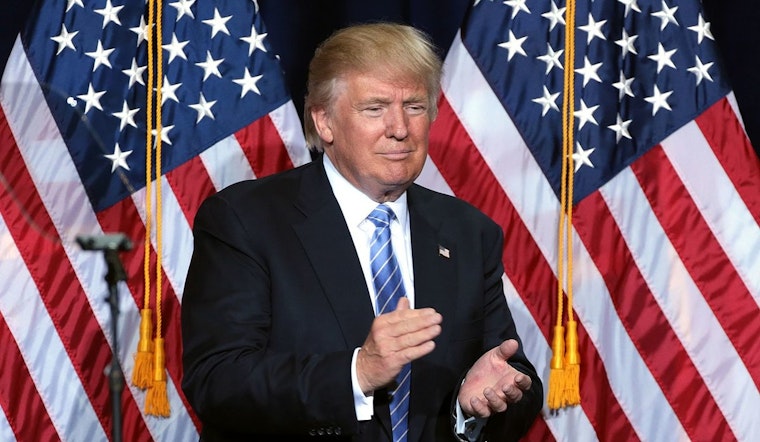
HARRISBURG, Pa. - When President Donald Trump declared in his State of the Union that Democrats “want to cheat” and that “the only way they can get elected is to cheat,” the line hit central Pennsylvania with more of a thud than a roar. Reporters fanned out across two key swing congressional districts and found plenty of Republicans who simply brushed off the broadside, along with a smaller but vocal group calling for tougher voter ID and citizenship checks. The back-and-forth is already shaping policy fights as the November midterms creep closer.
Voters in swing districts push back
In the 10th and 7th districts, voters told reporters that talk of sweeping, systemic fraud does not match what they see at their own polling places, even if some still worry about specific vulnerabilities. “I don’t think that that’s how elections are won today,” one Republican voter said. A local Democrat dismissed Trump’s line as “a lie and a pretext for election interference.” At the same time, some poll workers and other residents said they favor steps such as requiring documentary proof of citizenship, underscoring a split between skepticism of blanket fraud claims and an appetite for stricter rules, as reported by OPB.
Where the "cheat" line came from
Trump’s remark came during his State of the Union address, when he said, “They want to cheat, they have cheated, and their policy is so bad that the only way they can get elected is to cheat.” The line was folded into a broader push for measures such as the SAVE America Act and tighter limits on mail ballots and voter rolls. The full State of the Union transcript is available from AP.
Polls show confidence has shifted
Public-opinion research paints a more nuanced picture than the loudest voices in the fraud debate. A recent national survey from the Center for Transparent and Trusted Elections at the University of California San Diego found that only about 30% of Republicans primarily look to the president when judging whether elections are fair. Most say they lean instead on local officials, TV news or family. At the same time, reporters note that trust has swung over the last few cycles. Earlier findings, highlighted in NPR-era coverage, showed many Republicans doubted the 2020 results, while more recent polls show much higher confidence after 2024. That trend is reflected in both the UC San Diego survey and local on-the-ground reporting. See the University of California San Diego survey for the new data and OPB for local reactions.
What the SAVE America Act would do
One concrete policy response Trump keeps touting is the House GOP’s SAVE America Act, a federal bill that would require documentary proof of U.S. citizenship to register for federal elections. Voting-rights advocates have blasted the proposal, warning that strict paperwork requirements could lock millions of otherwise eligible Americans out of registering or re-registering. For legislative status and a plain-English explainer, see coverage by AP. For legal and policy analysis on how such rules could disenfranchise voters, see the Brennan Center’s assessment at Brennan Center for Justice.
For voters in and around Harrisburg, the fight is far less black-and-white than national cable coverage suggests. Many residents say they want elections that are accurate and broadly trusted, yet they split sharply on where the real risks lie and which fixes, if any, are needed. As lawmakers wrangle over voting bills and the White House keeps pounding the issue, Pennsylvania’s swing districts will serve as an early test of whether fiery rhetoric or day-to-day local experience has more sway over voters heading into November.





.jpg)