

























































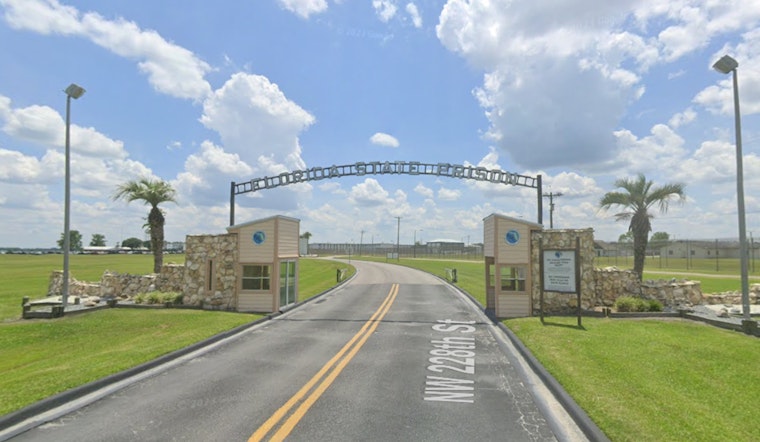
As Florida prisons swelter through brutal summers, a group of Tampa Bay advocates is pushing the state to finally test air conditioning behind bars. They are urging the Department of Corrections to approve a limited pilot that would install split mini air units in sleeping dorms, program rooms and two-person cells at three facilities, to see whether relatively low-cost retrofits can cut heat-related illnesses and safety incidents. The effort follows reporting and legal filings that describe dangerously high indoor temperatures and allege that the heat has sickened, and in some cases killed, people inside state prisons.
What advocates are proposing
Organizer Connie Edson argues that mini-split units are the only realistic retrofit for older dorms that do not have ductwork, and has gathered more than 150 letters backing a three-prison pilot. Edson has met with Department leaders and, as a proof of concept, donated a unit to a Lowell prison dog program, according to Tampa Bay 28.
Voices from inside
Former Lowell Correctional Institution inmate Danielle Horst described dorms where people sometimes “passed out from the heat” and said, “It was 130 degrees inside that dorm.” She told reporters she saw inmates sent to hospitals for heat issues and that, at times, people sought confinement just to get temporary relief from the heat, per Tampa Bay 28.
Lawsuit and outside findings
The Florida Justice Institute has filed a federal class-action complaint alleging that extreme heat at Dade Correctional Institution contributed to multiple deaths and widespread illness, according to the Florida Justice Institute. An expert retained by the institute documented heat-index readings topping 119 degrees inside the facility, and the Associated Press reported that the complaint links heat to four recent deaths. AP covered the suit and its claims.
The price tag and the debate
A 20-year master plan for the state estimated that installing air conditioning in 515 currently unconditioned housing units would cost about $582 million, a figure contained in the plan’s infrastructure and HVAC modernization analysis. The same master plan and its consultants told lawmakers that air conditioning could improve working conditions and help with staff retention, but some legislators have questioned whether that money might be better used to raise pay and shore up staffing. WUWF reported on committee hearings where the cost debate played out.
Safety and staffing concerns
Corrections staff and experts warn that extreme indoor heat can shorten tempers, drive up medical incidents and aggravate recruitment and retention problems for already thin rosters. Reporting and interviews with formerly incarcerated people and advocates have tied summer heat, poor ventilation and aging buildings to elevated health risks for elderly and medically vulnerable prisoners. WUFT and other outlets have traced how heat and staffing stressors interact, while the Department of Corrections has said it prioritizes air-conditioned housing for the infirm and uses fans, refrigerated water fountains and temporary uniform changes to reduce risk. WGCU reported the department's statement.
Legal implications
If a court finds that the state was deliberately indifferent to known heat risks, remedies could include orders to provide conditioned space, transfers of vulnerable people or other relief that forces faster facility changes, the Florida Justice Institute argues in its filings. FJI has pushed for systemic fixes, and reporting shows the Department has moved to dismiss some claims as the litigation unfolds. WUFT reviewed court filings and reporting about the case's posture.
What’s next
Edson and other advocates are pressing the department and lawmakers for a three-site pilot they say could be installed and evaluated quickly to test whether mini-splits lower heat-related incidents and calm dorms, a strategy activists have pushed since 2023. WCJB has documented rallies and proposals aimed at expanding smaller pilots rather than waiting on full-system retrofits under the master plan, leaving policymakers to weigh a quicker, targeted fix against a multi-year capital program.



