

























































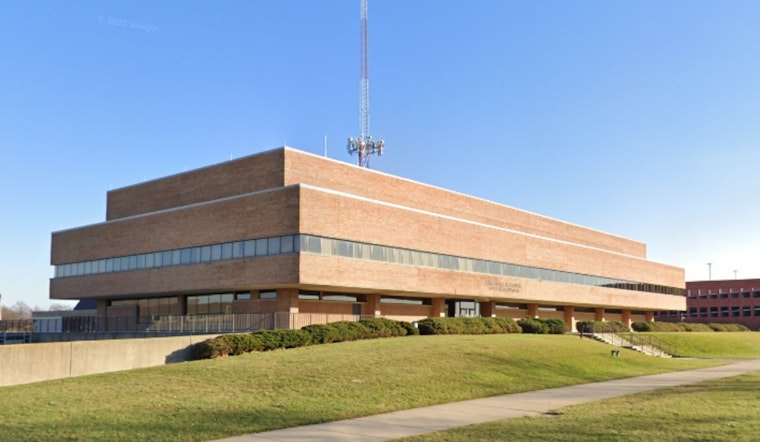
Warren police say they have fielded six alleged "swatting" calls in the past couple of weeks, each reporting some kind of violent incident that demanded an armed response. Officers have been racing to scenes that turn out to be bogus, and the string of hoax 911 calls is raising alarms about safety and strained resources across the city.
Lt. John Gajewski, the department’s public information officer, recently joined a local news program to talk through the spike, while crime and safety expert Darnell Blackburn, a former officer, broke down how dispatch and patrol units are trained to handle such calls, according to ClickOnDetroit. Police said each call described a different kind of violent crime, and every one was ultimately confirmed to be false.
What Swatting Is And Why It Is Dangerous
Swatting is the intentional, false reporting of a violent emergency to 911 to trigger a heavily armed police or SWAT response, according to ADL. The group and other experts warn that it creates real danger for the intended target, nearby bystanders, and the officers rushing in, and note that the tactic has become more common in recent years.
Federal officials have increasingly treated swatting as a serious crime and have gone after coordinated hoax networks. The U.S. Department of Justice has documented guilty pleas and charges in multi-state swatting and bomb threat schemes that show how quickly these operations can trigger federal scrutiny and prosecution, according to the U.S. Department of Justice.
Local Impact And Police Response
Warren officers say that even when a report later proves false, they have to roll out as if it were the worst-case scenario. That means multiple patrol units, tactical teams heading into unknown situations, and a response that can cost the city thousands of dollars per call, according to ClickOnDetroit. The department has stressed that dispatchers and officers cannot treat any such report as a joke until they have verified what is actually happening.
Residents who receive threats or suspect they might be targeted are urged to save any messages, screenshots, or recordings and share them with investigators. People should also follow local guidance on whether to dial 911 or use a nonemergency line. Documenting threats and reporting them both to law enforcement and to the platforms where they appear can help investigators track down the people behind the hoaxes, according to ADL.
Legal Consequences
Michigan law treats knowingly making a false report of terrorism or a similar hoax as a serious crime, and statutes covering threats and false terrorism reports can carry prison terms of up to 20 years, according to the Michigan code. Lawmakers in Lansing have moved legislation this session to update and tighten those rules, including Senate Bill 502, according to the Michigan Legislature.
Investigators in Warren say they are working to trace the recent calls and are asking anyone with information to contact the department. For now, police and experts say the cluster of incidents is another reminder that swatting is not an online prank but a serious and growing public safety threat.





