

























































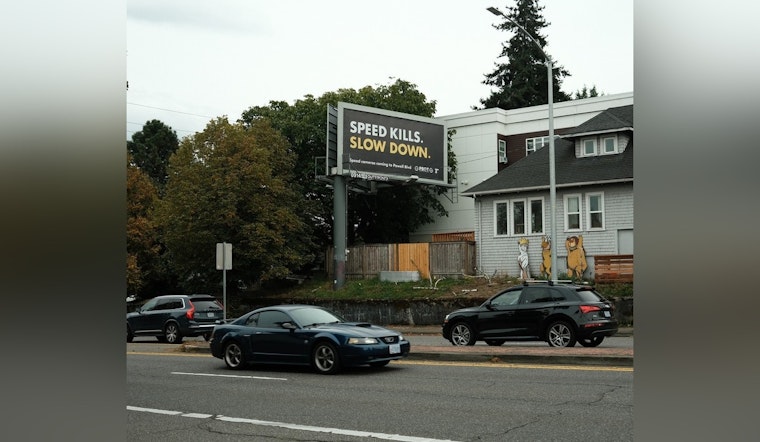
Portland saw deadly crashes on its streets drop to 39 in 2025, the second year in a row that the numbers have gone down, but the city is still nowhere near its Vision Zero promise of eliminating traffic deaths. Local planners say closing that gap is possible, yet it will take targeted fixes, steady funding and a solid dose of political backbone.
According to the City of Portland's 2025 Deadly Traffic Crash Report, 39 people were killed on city streets last year, the lowest annual total since 2018 and a sharp drop from the 2023 high of 69 deaths. City officials describe the decline as real progress, but the report stresses that risk is not evenly spread and that focused interventions are critical to keep the numbers moving in the right direction.
Metro transportation planner Lake McTighe told OPB that Portland can borrow ideas from smaller cities that have driven traffic fatalities to zero, but cautioned that it takes more than just concrete and paint. "They are focusing on safe speeds, so they have a 20-mile-per-hour speed limit in the entire city, which is a survivable speed," McTighe said.
Hoboken’s Low Speed, High Design Strategy
Hoboken has leaned into a citywide 20 mph speed limit paired with intersection daylighting, curb extensions, protected bike lanes and leading pedestrian intervals. The city credits that mix of slower speeds plus physical and signal tweaks with maintaining years without a traffic death, according to the City of Hoboken. Transportation advocates and safety experts say that package, lower speeds combined with redesigned intersections, fits squarely into a Safe System approach. The Vision Zero Network has pointed to Hoboken and similar efforts as proof that small cities with clear policies can deliver outsized safety gains.
Portland’s High Crash Network Problem
Portland’s own numbers show its danger zones are tightly clustered. The city’s High Crash Network makes up roughly 8 percent of streets yet has accounted for about two thirds of recent traffic deaths, according to mapping and analysis by PBOT. Intersections are a huge part of that story nationwide, with the Federal Highway Administration reporting that they represent about half of nonfatal injury crashes. That helps explain why daylighting corners and adjusting signals can punch above their weight. Officials say concentrating quick build fixes and full redesigns on those corridors is where Portland is likely to see the biggest safety payoff.
Budget Cuts Put Safety Momentum At Risk
That targeted work, however, could be slowed by shrinking transportation budgets. As OPB reported, a recent state budget decision would shuffle money within ODOT and cut roughly 17 million dollars from the Safe Routes to School construction program, delaying grant cycles and reducing the size of the next round of awards. Local advocates warn that with fewer and smaller grants, Portland and other Oregon communities will not be able to move as quickly on relatively cheap, high impact fixes like curb extensions, upgraded crosswalks and protected bike lanes.
Where Portland Goes From Here
Planners emphasize that Portland does not need to wait for massive, years long rebuilds to make streets safer. Quick build curb extensions, better signal timing and leading pedestrian intervals can be rolled out relatively fast to slow vehicles and make crossings less risky. Federal programs such as the U.S. Department of Transportation’s SS4A grants offer planning and implementation money that cities across the country have tapped to speed up that kind of work. Whether Portland turns its recent decline in deaths into a long term trend will hinge on whether leaders commit to broad speed management and put real funding behind scaling up intersection improvements citywide.





