

























































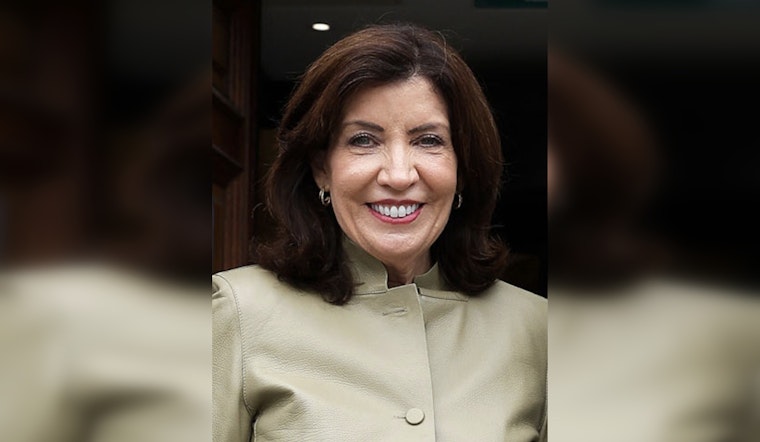
On Equal Pay Day, March 26, 2026, Gov. Kathy Hochul marked the occasion with what sounded like a major milestone for New York. Citing a state labor analysis, she said New York "now has the smallest gender wage gap in the nation" and reiterated that "everyone deserves equal pay for equal work." The line traveled quickly through Albany and across social media as evidence that recent policy changes are closing the gap. For analysts and workers, though, it raised a familiar follow up: which numbers, and which definitions, are doing the heavy lifting here?
As the nation recognizes #EqualPayDay, we’re seeing signs of progress here in New York. According to a new report from @NYSLabor, New York State now has the smallest gender wage gap in the nation. It’s not complicated: Everyone deserves equal pay for equal work. https://x.com/i/status/2037243954861678907
— Kathy Hochul (@GovKathyHochul) March 26, 2026
Hochul's post on X linked readers to what the administration described as a new Department of Labor analysis, and Governor Kathy Hochul repeated the message across state communications. The administration presented the update as proof that policies such as pay transparency and family leave reforms are paying off. Exactly how that turns into a "smallest gap" headline, though, depends heavily on which dataset and which measure you pick.
What the state numbers show
The New York State Department of Labor's most recent public update, an annual note based on 2023 American Community Survey figures, finds that women working full time and year round in New York earned about 87.3 cents for every dollar paid to men. Under that approach, New York ranks near the top nationally for a relatively narrow gender wage gap. The New York State Department of Labor shows the state still trailing Vermont and Rhode Island on that specific ranking, while also reporting clear progress compared with the national average.
Different measures, different headlines
State and federal measures do not always tell the same story. The labor department update relies on median, full time, year round earnings. Federal series such as the Bureau of Labor Statistics usual weekly earnings releases, by contrast, put women's median weekly pay in 2023 at roughly 82 to 83 percent of men's in several quarterly snapshots. Data from the Bureau of Labor Statistics and Census based metrics can yield slightly different state rankings. That helps explain how a "smallest" in the nation claim can shift with the method or the year.
Policy changes credited with progress
State officials highlight a cluster of recent laws and regulations as drivers of the narrowing gap. Those include a pay transparency rule that requires salary ranges in job postings, a ban on asking applicants about salary history, stepped minimum wage increases and paid prenatal leave for state workers. The governor's public messaging and previous press materials describe these changes as part of a deliberate strategy to boost women's earnings. The New York State Governor's Office lays out that policy context alongside the wage gap data.
Uneven gains across groups
Even as the statewide ratio improves, the gains are not spread evenly. The New York State Department of Labor update points to much larger shortfalls for many women of color, with Hispanic and Black women in the 2023 estimates earning far less than white, non Hispanic men. The department flags caregiving burdens, occupational segregation and unequal access to higher paying industries as key reasons those gaps remain stubbornly wide.
What is still unclear
The administration's social media post refers to a "new report" and a first place ranking. The most recent labor department document that is publicly posted, the 2025 update covering 2023 American Community Survey data, still has New York in third place under its chosen methodology. It is possible the governor's statement reflects a more recent or differently calculated internal analysis that has not yet appeared as a public technical release. Until a full dataset and methodology explanation are published, the claim functions as the administration's reading of state data rather than a settled statistical fact. Governor Kathy Hochul has effectively invited a broader debate with that post.
Bottom line: the state has narrowed its overall gap compared with the national picture, and officials say their policy menu is starting to work. At the same time, headline rankings can flip when the yardstick changes, and large racial and local disparities persist under the surface of the statewide average. For New Yorkers watching pay equity, it is a moment of cautious progress, not a victory lap, with significant work ahead to make sure any gains reach everyone.





.jpg)