

























































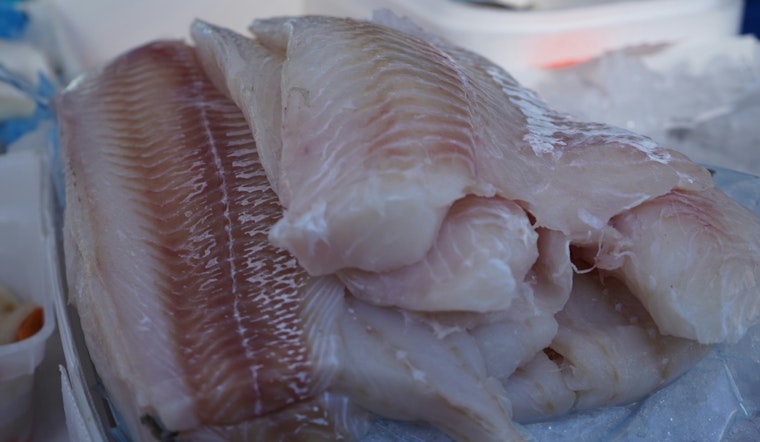
The Friday fish fry is starting to feel like a splurge. Across Northeast Florida and Southeast Georgia, shoppers are shelling out noticeably more for shrimp, cod and other Lent staples, and the pain is hitting everyone from supermarket counters to church fundraisers. Distributors and local restaurants say demand is not the problem this season. Instead, they point to rising import and operating costs that are rolling straight down to consumers, turning a once-routine Lent plate into a pricier tradition than it was a year ago.
One of the region’s biggest players, Beaver Street Fisheries, which now operates under the name BSF, has been sounding the alarm. The Jacksonville-based supplier told local reporters that higher global shipping costs and tariffs have cut into availability and pushed wholesale prices up. According to the company, bulk shrimp that went for about $4.50 per pound last Lent is closer to $6 this year. "Any supply chain disruption is going to decrease availability. It will make the items go up in price," Mark Frisch, BSF’s executive vice president, told News4JAX. The outlet also reports that imported seafood accounts for roughly 80 percent of the industry’s supply and that BSF employs about 450 people in Jacksonville.
National Numbers Confirm Seafood Price Surge
What shoppers are seeing at local counters lines up with national trends. Industry data show that frozen and shelf-stable seafood prices were up about 8.4 percent in December 2025, with key species like cod and shrimp posting double-digit increases compared with the prior year. Those figures, drawn from Circana and 210 Analytics, reflect broader retail inflation pressure and help explain why wholesalers and restaurants say they are passing higher costs along the chain, as SeafoodSource reports.
Freight And Tariffs Tighten The Screws On Imports
On the logistics side, shipping lines and carriers have slapped on emergency surcharges and higher fuel-related fees in the wake of recent disruptions in the Middle East. Those extra charges have driven up container and insurance costs, which in turn raise the landed price of imported seafood. Layer in evolving tariff measures, and industry analysts say importers are facing a serious squeeze on wholesale prices, according to reporting from S&P Global.
BSF Bets On Bigger Jacksonville Processing Operation
BSF is trying to adapt on home turf. The company says it is converting an existing freezer at its Jacksonville headquarters into a processing space as part of a planned investment of more than $20 million to expand U.S. processing capacity. The project targets a June 1, 2026 start date and is expected to wrap sometime next spring. BSF says the upgrade is designed to cut tariff exposure and reduce dependence on lengthy ocean shipping routes, which the company hopes will give local buyers more control over supply. The plan was detailed in a company announcement on BSF.
In the meantime, BSF says its sales, and those of many of its customers, have stayed relatively steady despite the higher costs, even as managers and analysts caution that choppy conditions could continue while trade routes and tariff policies remain in flux. That means shoppers around Jacksonville should be ready for elevated seafood prices this Lent and potentially for months to come while the industry works to rebalance where and how it sources and processes product, News4JAX reports.




