

























































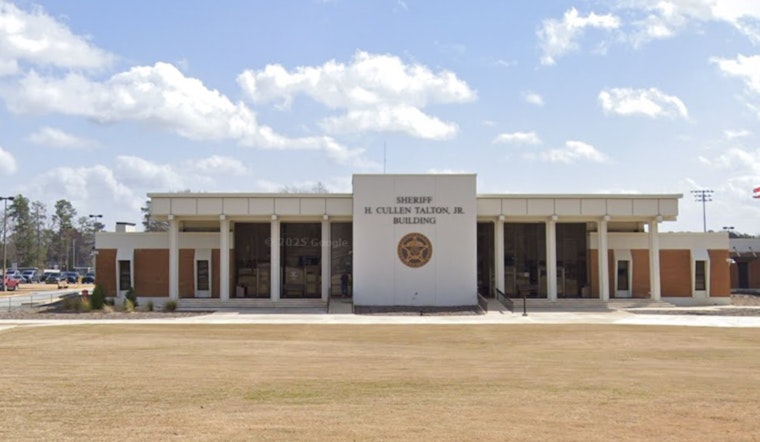
Houston County is officially bringing backup to its drug fight, signing on to a regional Middle Georgia drug and gang task force that leaders say will supercharge investigations and resource sharing against trafficking and overdoses.
Under the agreement, local detectives will be able to tap more agents, specialized equipment, and integrated technology to chase larger trafficking networks that do not care where one county line ends and another begins. Sheriff Matt Moulton did not sugarcoat the reason for the move, calling it a necessary step to confront what he described as the county's deep drug problem.
As reported by 13WMAZ, the task force pulls together 16 central-Georgia agencies, including the Houston County Sheriff’s Office, Warner Robins Police Department, Perry Police and the Houston County District Attorney. The multijurisdictional team, the outlet notes, "combines investigators, equipment and technology" and can put as many as 30 additional agents on a Houston County case. Houston County will dedicate one investigator full-time to the team while keeping six investigators in its own drug unit.
State numbers highlight why local officials are leaning into regional partnerships instead of going it alone. According to the Georgia Department of Public Health, more than 2,500 Georgians died of drug overdoses last year, and the department estimates roughly 300,000 residents are struggling with substance use. Those figures are frequently cited by local leaders and advocates who argue that any real solution has to include both enforcement and expanded treatment.
Recovery And Community Response
Local recovery advocates say they are glad to see more boots on the ground, but they are clear that handcuffs alone will not fix the crisis.
Tanya Cowperthwaite told 13WMAZ she became addicted to opioids after back surgery and eventually lost both her children and her home. Now in recovery, she is working with Mental Health Matters of Middle Georgia to build a referral-based system for certified peer specialists, aiming to connect people more quickly with recovery services before another arrest or overdose.
What The Task Force Will Do
Regional drug and gang teams typically blend surveillance, forensic support, and coordinated warrant operations so investigators can follow supply chains past a single city or county. State reporting has linked the recent climb in overdose deaths to fentanyl and stimulant mixtures, a trend Georgia Public Broadcasting has explored in depth. County officials say the new partnership is designed to disrupt those networks and keep prosecutions aligned across jurisdictions instead of piecemeal.
Officials say the task force will marry investigative muscle with prosecutorial coordination. Recovery workers and advocates counter that lasting progress also depends on ramping up treatment access, naloxone distribution, and peer-support programs so people have somewhere to go after law enforcement steps in.
For residents seeking help, the Georgia Department of Public Health maintains treatment and harm-reduction resources online. Anyone in immediate danger should call 911.





