

























































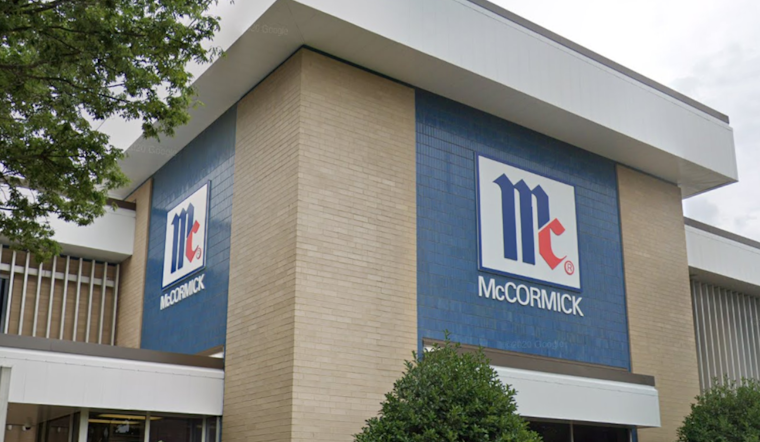
Hunt Valley-based McCormick & Company is in talks to scoop up Unilever’s sprawling Foods business, a potential blockbuster that would drop the Baltimore-area spice maker into the middle of a global brand shakeup. The portfolio on the table includes supermarket staples like Hellmann’s mayonnaise and Knorr stock cubes, putting a hometown company in the conversation for one of the biggest pantry plays in years.
The discussions, first revealed today by The Detroit News, have been confirmed by both Unilever and McCormick. Each side has stressed there is no guarantee a deal will actually happen, but word of McCormick’s offer for the Foods business was enough to jolt markets and set analysts scrambling over what a tie-up might look like.
How Big Is the Foods Business?
Unilever’s Foods arm is no small side dish. It generated roughly €12.9 billion in turnover in 2025 and contributed about a quarter of Unilever’s total sales, according to the company’s full-year results from Unilever. The group completed the demerger of its Ice Cream business in December 2025 and has been signaling a strategic pivot toward faster-growing areas like personal care and beauty products.
Why McCormick Might Bite
On paper, this is a classic case of a smaller player eyeing a much bigger prize. Market data places McCormick’s value in the mid-teens of billions of dollars, while Unilever sits far above that. Recent figures from StockAnalysis put McCormick at roughly $16 billion in market value, and separate data from StockAnalysis show Unilever well north of $130 billion. That is a serious size mismatch for any buyer to bridge.
Barclays analysts, as cited in coverage, have pegged Unilever’s Foods unit at an enterprise value of roughly €28 to €31 billion. For McCormick, which has historically grown through acquisitions, writing a much bigger check would not be entirely out of character. The company paid about $800 million to acquire Cholula hot sauce in 2020, according to a release from McCormick, and shelled out roughly $4.2 billion for RB Foods in 2017, per McCormick. Those deals suddenly look like warm-up acts compared with taking on Unilever’s entire Foods platform.
What Analysts Say and What Comes Next
Market watchers are split on whether this is a perfect fit or a potential indigestion risk. Supporters see a clear strategic link between McCormick’s core strength in spices and seasonings and Unilever’s pantry brands, especially in condiments. Skeptics warn that handing a massive, complex global food operation to a smaller buyer could create heavy execution challenges and a lengthy integration slog.
Richard Saldanha of Aviva Investors has highlighted how Unilever’s management focus has shifted toward faster-growing beauty and personal care businesses, a point echoed in broader market commentary as investors debate whether a Foods sale would tidy up the company’s portfolio.
For now, both Unilever and McCormick are sticking to the same cautious script: talks are ongoing, and there is no certainty a deal will be reached. If negotiations advance, expect a lot more noise about potential price tags, how McCormick might finance such a move, and what regulators could have to say, long before shoppers see anything different in the mayonnaise aisle.
Any next steps would likely show up first in formal company statements or regulatory filings, signals that a binding offer has been made or that the process has moved into deeper due diligence. Until then, McCormick’s possible leap from spice racks to a full-on global foods empire remains one of the more closely watched what-ifs in the grocery world.





