

























































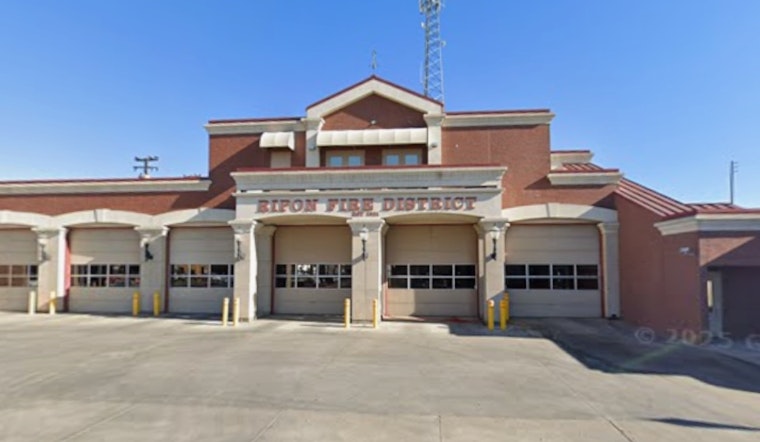
Ripon Consolidated Fire District is heading back to local property owners with a Proposition 218 assessment that would fund additional firefighters and finally staff a second engine that has sat unused since it was built. The district covers roughly 55 square miles but runs with lean on-duty crews, keeping just one ambulance and one engine fully staffed. Leaders say the chronic understaffing has forced Ripon to lean on neighboring departments for backup and has stretched the speed at which local crews can respond. Ballots are expected to go out in late May or early June, with votes counted on Aug. 13.
“There’s a fire engine sitting in there ready to go. We just need the personnel to staff it,” Ripon Fire Chief Eric DeHart told CBS Sacramento. The station reports the district currently fields only a handful of on-duty firefighters and that just one ambulance and one engine are fully staffed; leaders say that shortfall contributed to 986 concurrent calls last year. DeHart also told the outlet that the empty 2014 firehouse was paid for with a one-time grant that could not be used for salaries, an issue officials say the new assessment is aimed at fixing.
Previous vote and outreach
Property owners turned down a previous Proposition 218 assessment, with ballots showing about 45.9 percent in favor and 54.1 percent opposed, according to the Manteca Bulletin. This time around, the fire district says it is running a new survey and sitting down with residents to walk through costs, benefits and how any new revenue would be spent. District materials, public handouts, and the full Prop. 218 packets are posted online for property owners to review, the agency notes.
How Prop. 218 would work here
Under Proposition 218, assessments on property have to go to a property-owner ballot and are decided with a weighted vote tied to parcel assessments rather than a straight up-or-down head count, according to the Legislative Analyst’s Office. Only parcel owners receive ballots, and the tally reflects the dollar weight of the ballots that are returned. Agencies also have to publish engineering reports and provide a formal protest period before counting votes. District leaders say those procedural rules are a big reason they are leaning hard on outreach and written explanations before the ballots hit the mail.
Where the money would go and the local impact
The Ripon district says assessment revenue would go toward hiring personnel to staff an engine it already owns and to maintain reliable ambulance coverage, which officials argue would reduce the need for automatic and mutual aid from neighboring departments. The district’s operations page describes routine automatic-aid arrangements with nearby agencies, something leaders say can stretch response times when help has to come from farther away. Industry coverage of the push has noted that earlier proposals were framed as roughly $250 per household, a figure local officials say they have to unpack for residents while making the case that improved on-duty staffing is worth the extra line on the bill.
What’s next and what voters should watch
Officials are urging property owners to read the engineer’s report and complete the district survey so the community can weigh the tradeoffs before ballots arrive, as local reporting has noted. Ballots are expected to be mailed in late May or early June and votes will be counted on Aug. 13, according to CBS Sacramento, and district leaders say they plan public outreach this spring to field questions. If the measure passes, the assessment money would go to ongoing salaries and staffing rather than one-time construction costs; if it fails again, officials say the district will keep juggling schedules and leaning on mutual aid to cover calls with its limited local crews.



