

























































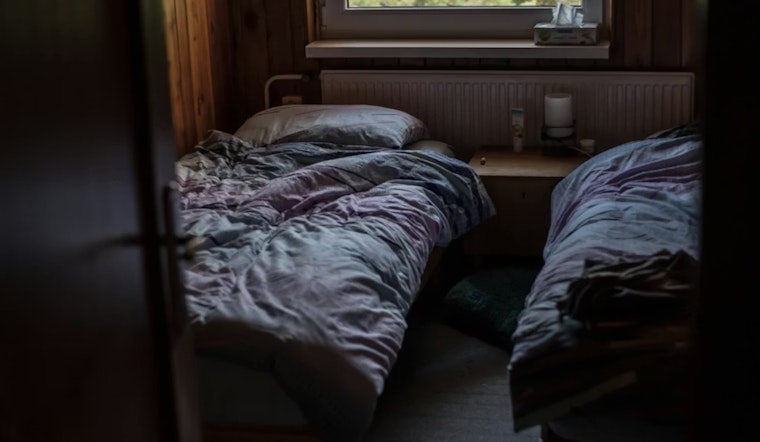
With traditional shelters packed most nights, a small San Diego nonprofit is quietly renting ordinary houses and turning them into shared emergency rooms for people who would otherwise sleep outside. The goal is simple but urgent: get people indoors quickly while they receive case management, treatment referrals and help reconnecting with services. Advocates say it can stabilize people faster than another night on the sidewalk, even as city officials warn the system still needs many more beds.
Who’s Doing It And How It Started
According to The San Diego Union-Tribune, Heather Newhart, a longtime outreach worker and substance use counselor, began renting a six-bedroom single-story house in the College Area in 2024 and now operates two emergency group homes. The paper reports that Newhart has lined up four additional houses that would bring total capacity to roughly 82 beds once staffing is in place, and that most tenants pay rent on a sliding scale. P.A.V.E. (People’s Advocacy Voices and Education) lists itself as a 501(c)(3) focused on housing navigation, medically assisted treatment referrals and re-entry support.
City Numbers Show The System Is Tight
City records show the municipal system funds about 2,508 shelter beds and that traditional shelters hover near capacity most nights, a shortfall the city has documented in its shelter strategy. The City of San Diego says the region still needs hundreds more crisis beds to match demand. The San Diego Housing Commission has approved new contracts and short-term bed expansions, but officials and advocates caution those moves are temporary patches while the city looks for permanent sites and sustainable funding.
How The Private-Home Model Operates
P.A.V.E. describes its work as a mix of housing navigation, peer support and referrals to medical and behavioral health providers, and it promotes shared living as a path to stability. The group leans on volunteers and staff with lived experience to run the sites and connects residents to outside treatment partners for counseling and medication-assisted therapy. Organizers say the houses are meant to function as transitional places where people can access services that larger shelters do not always provide.
Residents’ Experiences And Early Results
Residents interviewed by The San Diego Union-Tribune described real, if early, progress. One tenant said he quit using fentanyl and methamphetamines after moving into the house, while others reported stretches of sobriety ranging from months to years. The same report notes that P.A.V.E.’s founder kept the effort afloat in part by drawing on personal retirement savings, and that staff removed a tenant who was selling drugs from one house.
Can This Scale, And What’s The Oversight?
Supporters say the model fills a gap when shelter referrals fall through and beds are scarce, but trying to scale it raises questions about oversight, funding and zoning. The city has in recent months urged property owners to offer potential shelter space as part of broader efforts to prevent bed losses, and statewide grant uncertainty has put pressure on local budgets. City of San Diego officials and reporting in outlets tracking the region also warn that cuts or one-time grants leaving the system would force more reliance on stopgap projects. Axios coverage highlights the risk that unstable state and federal funding could undercut shelter expansions.
The private-home approach will not replace the need for more professionally staffed shelters and permanent housing, experts say, but local organizers maintain that when beds are scarce, a network of supervised homes can keep people safer and help them access treatment faster than nights outdoors.




