

























































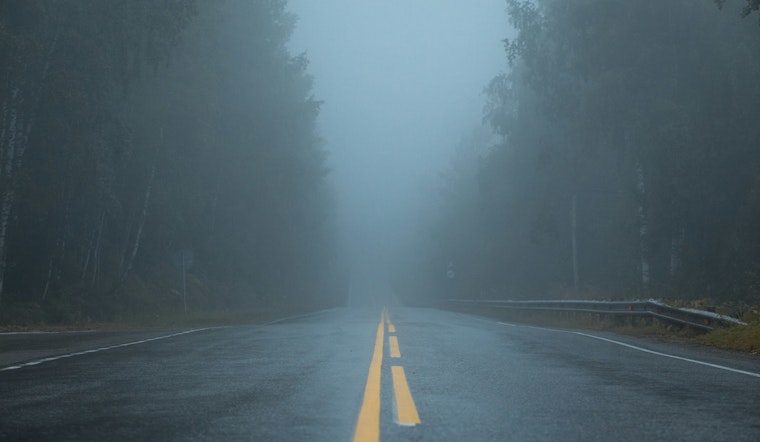
Jacksonville is starting Monday socked in by dense fog, with visibility cut to a quarter-mile or less in low-lying spots along the St. Johns River and the coast. The murky start could make some roads and the morning commute hazardous, but skies are expected to clear by mid to late morning. Afternoon highs should reach around 75°F, with northeast winds of 3 to 13 mph and gusts that may approach 20 mph.
Dense Fog Advisory This Morning
The National Weather Service in Jacksonville has a Dense Fog Advisory in effect through 9 a.m. Monday, March 2, 2026, warning that visibility could drop below one-quarter mile in places. Drivers are urged to slow down, use low-beam headlights and leave extra stopping distance, according to NWS Jacksonville. Sea fog has pushed inland along the coast and may hang on longer near beachside neighborhoods.
Afternoon And The Week Ahead
From west to east, the fog should lift by late morning, setting up mostly sunny afternoons and highs around 75°F today. Inland areas are expected to warm into the upper 70s to low 80s by midweek. Patchy fog is likely to return at night through the week as persistent onshore flow keeps the coastline cooler while inland spots heat up. Forecasters also point to a warming trend, with near-record highs possible later this week and only low chances for rain, according to News4Jax.
Beaches And Boat Safety
Onshore winds are expected to strengthen through Tuesday and Wednesday, building surf into the 2–4 foot range and creating a moderate rip-current risk along area beaches. Beachgoers should check lifeguard advisories and avoid attempting shallow-water rescues themselves. Boaters are advised to consider delaying trips until visibility and seas improve, per NWS Jacksonville. Marine interests should also be alert for nightly sea fog forming over the nearshore waters.
For the morning commute, plan for extra travel time and keep an eye on local forecasts for updates and any changes to the advisory. If you drive into a patch of dense fog, slow down, keep your headlights on and pull off the road if visibility becomes too limited to travel safely. We will update as conditions evolve.





