

























































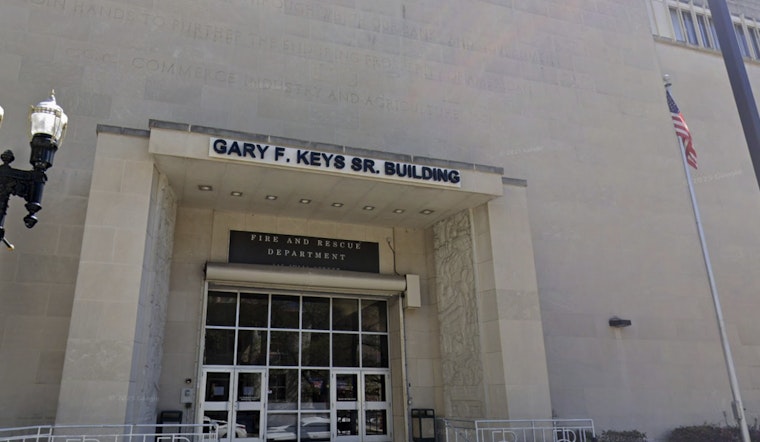
A federal labor arbitrator has ordered the City of Jacksonville to put District Chief Byron Iveson back in charge and cut him a check for lost wages, ruling the city went too far when it disciplined him over a February 2025 clash at Fire Station 28 involving a probationary firefighter who was fasting for Ramadan. The arbitrator also took a swipe at what it called an unusual level of involvement from the mayor’s office as the discipline climbed the chain of command.
Arbitrator orders reinstatement
In a newly released arbitration award, the arbitrator directed the city to return Iveson to his former district-chief role and to provide back pay, benefits and interest, according to Action News Jax. The award said Iveson “did not violate any department policy” and concluded the city lacked “proper cause” for the discipline. It also described a broader “systemic failure” inside JFRD and noted that the mayor’s office became more deeply engaged after the case drew negative attention, a turn union leaders are treating as a clear-cut vindication.
How the dispute started
The dispute traces back to February 2025, when Iveson noticed a probationary firefighter skipping a station meal and questioned him; the firefighter replied that he was fasting for Ramadan, according to a CAIR-Florida press release and earlier reporting. CAIR-Florida called what followed an instance of “religious coercion” after local outlets reported the firefighter had been pressured to break his fast. That allegation set off an internal investigation that eventually produced management discipline and, later, the arbitration challenge.
Discipline, appeal and policy gap
City investigators ultimately imposed a two-month unpaid suspension, removed Iveson from his district-chief assignment and shifted him to a 40-hour administrative schedule while requiring additional training, according to earlier reporting. The discipline was formalized in mid-June, and the department also ordered religious-discrimination training for chiefs. In reviewing that record, the arbitrator noted that supervisors acknowledged there was no clear departmental guidance on how to handle fasting during physically demanding shifts, a policy gap the award said contributed to the breakdown.
What this means for JFRD and the city
The ruling obligates the city to restore Iveson to his old post and make him financially whole unless a successful legal challenge knocks the award out. Department leaders have indicated they will factor the decision into a broader review of policies and training for field leadership. The case leaves Jacksonville officials trying to balance operational safety, workplace culture and religious accommodations, and it raises pointed questions about how any similar situations will be handled in the future.
Legal implications
The decision underscores that in the public sector, an arbitrator can overturn management discipline when there is not enough proof to satisfy a collective-bargaining standard of just cause. At this stage, the arbitrator’s order stands as the controlling resolution of the dispute, while any potential court action would unfold on a separate and slower track.





