

























































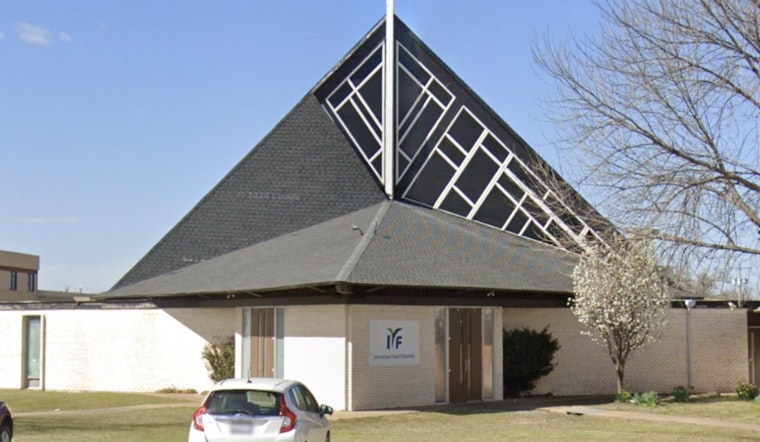
An Oklahoma City nonprofit that runs "mind education" camps for Indigenous youth is under the microscope after reporting revealed connections to a South Korean religious network facing abuse allegations. Two tribal governments in Oklahoma have now pulled back from the group, and the controversy has collided with the recent impeachment of a tribal chairman who served on the nonprofit's leadership. The dust-up is prompting tough new conversations about how outside youth programs get vetted on tribal lands.
As reported by NonDoc, Indigenous Leaders of North America (ILNA) is a 501(c)(3) based in Oklahoma City that has ties to the International Youth Fellowship and the Good News Mission and that organized "mind education" camps in 2025 in Anadarko, the Osage Nation, the Ponca Nation and at Wichita Community Church. Indigenous Leaders of North America lists programs called "Mind Camp" and "Mind Education" and shows an Oklahoma City contact address for the group.
What 'mind education' teaches
The curriculum ILNA promotes traces to the International Youth Fellowship model of "mind education," a Bible-centered set of exercises and lectures the group says helps young people think more deeply and build character. According to IYF, the program is part of its global youth education and leadership work, and the Good News Mission describes Mind Education as a curriculum used in camps, schools and correctional programs worldwide.
Tribes pull back after learning about ties
Once tribal leaders learned more about the church network behind those programs, some decided to hit pause. The Osage Nation said it was suspending interactions with ILNA and the Muscogee Nation said it would not maintain any relationship going forward. "In light of this information, the Osage Nation is suspending any interaction with this organization," Osage communications director Abby Mashunkashey said. Muscogee Nation press secretary Jason Salsman similarly told reporters the nation "will not be in the future doing anything with this group," according to NonDoc.
Kiowa impeachment intersects with nonprofit ties
The nonprofit’s connections also surfaced in the middle of a political fight inside the Kiowa Tribe. Chairman Lawrence SpottedBird, who is listed on ILNA's leadership pages, was unanimously impeached by the Kiowa Legislature on March 2, 2026. The Legislature's case alleged a pattern of financial mismanagement and noted a trip to South Korea that was later reimbursed by ILNA. Reporting from KOSU lays out the vote and the charges. Vice Chairman David Sullivan has assumed the chairmanship while tribal leaders reassess outside partnerships.
Local fallout and what to watch
Tribal offices and community leaders say the episode underscores the need for clearer vetting and supervision when groups from outside the region run programming for children. Schools and tribal departments involved with youth work are expected to take a closer look at how agreements are written and how volunteers are screened before allowing similar programs to return.
Background on the Good News Mission controversy
The Good News Mission and its founder, South Korean pastor Ock Soo Park, have drawn long-running criticism in Korea and abroad, and the movement around "mind education" has been both widely promoted and hotly debated. According to Wikipedia, Park's daughter, Eun-sook Park, was convicted in connection with the 2024 death of a teenager in the church's care and a higher court later upheld a lengthy sentence, a fact that prompted renewed scrutiny of the worldwide network. That international context is the backdrop for recent concerns in Oklahoma.
For now, tribal leaders say they will continue to block or pause formal ties while they review records and determine whether any programs can operate under stricter oversight. Advocates for youth services in the state say the episode is a reminder that local review processes need to match the risks when outside groups work with children and schools.





