

























































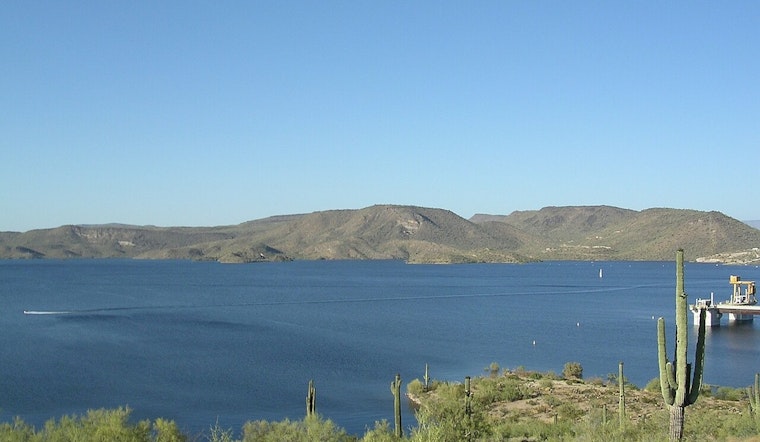
A breach in the Central Arizona Project canal that feeds Lake Pleasant has been patched and water is flowing back into the system, officials said. Repairs wrapped up on Thursday and the canal is now being refilled, though crews still do not know exactly how much water was lost. CAP representatives said the leak was detected and contained before conditions reached what they called an “extreme risk” level.
As reported by YourValley, CAP and local officials said crews located and fixed the breach on Thursday, then began restoring flows toward Lake Pleasant. The outlet noted that operations staff are actively tracking both canal and lake levels as the system refills, while investigators continue working to pin down how much water escaped during the incident.
Why Lake Pleasant matters
Lake Pleasant is the Central Arizona Project’s main storage reservoir and gives operators crucial flexibility to juggle diversions and customer deliveries, according to the Central Arizona Project. That storage cushion lets CAP take sections of the canal out of service for inspections or repairs without immediately cutting water to users downstream. Past reporting on CAP’s pipelines has highlighted how the lake often serves as a buffer during maintenance, keeping water moving to customers. ABC15 documented a previous maintenance cycle in which Lake Pleasant helped maintain deliveries while crews worked on a siphon.
Repair cost and next steps
Officials told YourValley that the repair carries an estimated price tag of about $1 million, and that crews will keep inspecting neighboring stretches of the canal as refilling moves ahead. CAP’s water-operations pages show that staff publish forecasts and coordinate releases from the Waddell pump-generating plant to manage Lake Pleasant levels. The Bureau of Reclamation describes Waddell’s role in moving water into and out of Lake Pleasant as part of the larger delivery network, and officials said customers will be notified if any adjustments to deliveries become necessary.
Why this matters now
The timing of the incident adds extra tension, as Colorado River supplies and runoff forecasts remain tight, increasing the importance of every piece of the delivery system. Experts say that with lower-than-normal runoff projections, storage capacity and fast repairs carry more weight than usual. Circle of Blue recently reported that forecasts for runoff into major reservoirs are expected to be below average, amplifying pressure on operators like CAP.




