

























































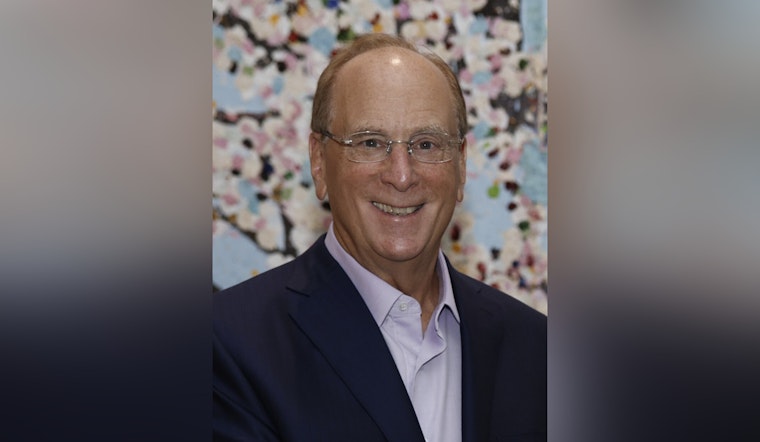
Larry Fink, the chairman and CEO of BlackRock, is taking direct aim at how Americans retire. In his annual letter to investors, Fink calls Social Security a crucial source of "stability" but argues it "doesn't allow most Americans to build wealth," urging a fundamental rethink of the entire retirement-savings system. His comments, released Monday, immediately poured fuel on a long-running debate over whether retirement policy should simply protect older Americans from poverty or also help them become real asset owners.
What Fink Is Really Pushing For
In the letter, Fink promotes the idea of "early wealth-building accounts" and calls for a "long-overdue conversation about Social Security," according to CNBC. He points to systems that automatically enroll workers in market-linked savings and argues that widening access to long-term investing would let more Americans share in the country’s economic growth. Critics on Wall Street note that his policy wish list lines up neatly with retirement products BlackRock already sells to workers and employers.
The Bigger Policy Backdrop
Fink is folding this into a broader push to "make long-term investing easier, broader, and more accessible," as detailed in coverage of his letter by Axios. He nods to systems like Australia’s superannuation program as examples of how automatic paycheck contributions can turn non-investors into long-term owners. BlackRock, for its part, says its growing menu of target-date funds and guaranteed-income products is meant to turn those savings into predictable retirement paychecks.
On Capitol Hill, a $1.5 Trillion Side Fund
Fink’s pitch arrives as Senators Bill Cassidy and Tim Kaine float a separate $1.5 trillion fund that would be invested in stocks and bonds to reinforce Americans’ retirement finances, according to Newsweek. Supporters say a pre-funded, diversified pool could cover a big chunk of Social Security’s long-term shortfall without immediately cutting benefits. Detractors counter that tying a core safety-net program to the markets would inject exactly the kind of volatility retirees can least afford if stocks tumble at the wrong time.
Where Social Security Stands Today
Right now, Social Security sends monthly checks to more than 70 million people, and benefits received a cost-of-living adjustment for 2026, according to a Social Security Administration press release. The program’s trustees report that the Old-Age and Survivors Insurance trust fund can pay full scheduled benefits through 2033, and they project that the combined OASDI reserves could be depleted around 2034 if Congress fails to act, based on the trustees’ 2025 summary. Those dates are driving lawmaker urgency and shaping proposals that would change how retirement dollars are collected, invested, and ultimately paid out.
The Tradeoff: Higher Returns or Higher Risk
Budget analysts outline the core dilemma plainly: putting Social Security-related money into equities might boost long-run returns but would also expose the system to market ups and downs, a concern explored in commentary at Advisor Perspectives. Fans of a diversified investment pool say it could buy Washington more time to fix any remaining funding gaps. Skeptics worry that promising a market-based safety net creates enormous political and practical headaches when the next downturn inevitably arrives. Any move to change Social Security’s investment rules would demand broad bipartisan agreement and carefully designed protections for beneficiaries.
Why Wall Street’s Take Carries Weight
Given BlackRock’s enormous footprint and clout in New York and beyond, Fink’s recommendations carry both policy and business implications, and observers expect his letter to be pored over in both arenas, according to Axios. For lawmakers, the central question is whether expanding ownership through private-style accounts or a large pre-funded pool would complement Social Security’s anti-poverty mission or chip away at it. Hearings, white papers, and trial balloons are likely in the months ahead as both parties test whether voters have an appetite for change.
Whichever path Washington chooses, the basic tradeoff will not go away: policymakers have to balance the lure of potentially higher investment returns with the program’s current role as a straightforward shield against poverty in old age. Fink’s letter has sharpened the contours of that argument. It is now up to Congress to decide whether his call to remake retirement savings turns into actual legislation or just another round of Beltway talk.





.jpg)