

























































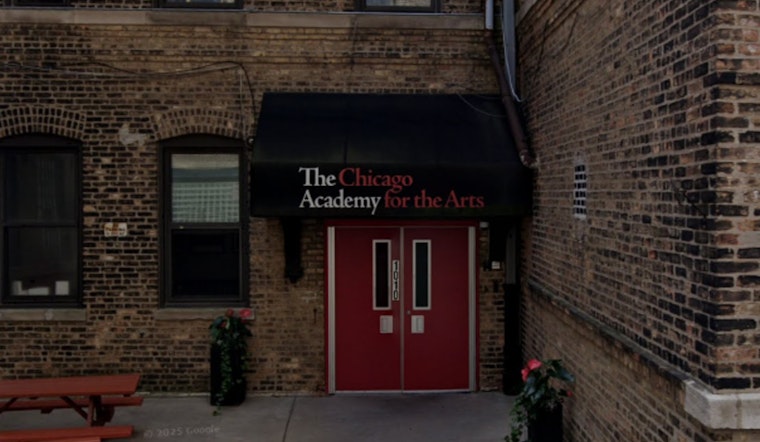
The curtain is up on Grease at The Chicago Academy for the Arts, with students midway through a run that stretches through April 2. Behind the scenes, though, the River West arts high school is racing to raise roughly $500,000 after learning its lease will not be renewed. School leaders say that cash would buy crucial time to keep classes, productions, and day-to-day operations going while they search for a new home and overhaul a business model that leans heavily on philanthropic support.
Leaders Say They Need A Short-Term Bridge
Head of school Dr. Melinda Zacher Ronayne, who stepped into the role less than a year ago, told CBS Chicago that "about half a million dollars will get us through the end of this year and into next year." The outlet reports the Academy’s operating budget is roughly 60% philanthropic and that historically about half of the student body receives financial aid. With the lease not being renewed, Ronayne and the board say those numbers turn a budget crunch into an urgent fundraising gap as they try to plan both a relocation and program continuity at the same time.
How To Help Right Now
For anyone wondering how to chip in, the Academy is steering supporters to its fundraising hub, which offers options for one-time gifts, recurring donations, stock contributions, and planned giving, along with contact details for the Development office. Potential donors can head to the Academy’s donation page or check the school’s events calendar on its website for tickets to the spring musical and other fundraising events. For larger commitments or matching opportunities, the donation page lists Dr. Scott Stewart, Director of Advancement, along with a phone number for the school.
Why Arts Schools Are Vulnerable
Independent arts high schools typically juggle a mix of tuition, ticket sales, and philanthropy, which can leave them on shaky ground when donations dip or rental costs spike. Arts education, in particular, has long been underfunded, and uncertain grant cycles often push programs into last-minute appeals instead of steady long-term planning. Inside Philanthropy has detailed how donor behavior and grant structures contribute to that uneven landscape and how targeted giving can help fill the gaps. That financial backdrop is a big part of why the Academy’s board is going public with an urgent ask while working on a more sustainable operating plan.
Students Say The School Is Their Community
While administrators crunch numbers and draft contingency plans, students and parents are jumping into the fundraising push in between rehearsals and performances. Junior Sophia Singleton told CBS Chicago that at the Academy, "I'm able to express myself and just be myself without fear of being judged or criticized or being made fun of," a sentiment families say captures exactly what they fear losing if the school cannot stay in Chicago. School leaders say they are counting on local supporters and alumni to come through with the bridge funding that could keep the doors open long enough to lock in a more durable plan for the future.





