

























































Eli Lilly agreed Tuesday to buy Centessa Pharmaceuticals in a deal worth about $6.3 billion, snapping up a Boston-founded portfolio of orexin receptor drugs aimed at narcolepsy and other disorders that shortchange people on wakefulness. The agreement gives Centessa investors $38 per American Depositary Share upfront, plus a contingent value right that could push the total to $47 per share if certain regulatory milestones are hit. Centessa's lead drug, cleminorexton (formerly ORX750), has turned in encouraging Phase 2a data in studies of narcolepsy types 1 and 2 and idiopathic hypersomnia, as per Centessa.
Under the terms, Lilly will purchase all issued and to-be-issued Centessa shares for $38.00 in cash per share, along with a non-transferable CVR that can pay up to an additional $9.00, for an upfront equity value of roughly $6.3 billion and as much as $1.5 billion more in contingent payouts, according to Centessa. The CVR is tied to U.S. Food and Drug Administration approvals in narcolepsy type 2, idiopathic hypersomnia and the first U.S. approval in any indication. Both companies' boards have signed off, and early Centessa backers have entered voting and support agreements to help shepherd the deal across the finish line.
“Orexin receptor biology represents one of the most compelling mechanistic opportunities in neuroscience,” Carole Ho, who oversees Lilly’s neuroscience division, said in the joint announcement, adding that the combined group can now pursue that science “at the speed and scale it deserves.” Centessa CEO Mario Alberto Accardi said his team had built an “innovative portfolio” and that linking up with a global commercial heavyweight should speed development. Those remarks were included in the companies’ shared release on the transaction.
Why orexin drugs matter
Orexin receptor-2 (OX2R) agonists work on what amounts to the brain’s master switch for wakefulness and have delivered strong efficacy signals in several recent studies, a trend tracked by Nature Reviews Drug Discovery. Takeda’s oral orexin agonist oveporexton already has a New Drug Application accepted with Priority Review at the FDA, while Alkermes has pushed its alixorexton program into Phase 3. Those advances help explain Lilly’s decision to pay up for Centessa in a field that could move treatment away from blunt symptom control and closer to restoring more normal patterns of wakefulness, if safety and benefit hold up under regulatory scrutiny.
Deal mechanics and timeline
The acquisition will proceed through a scheme of arrangement under English law and is slated to close in the third quarter, provided Centessa shareholders give their approval, the High Court signs off and regulators do not object, according to The Boston Globe. The all-cash price represents roughly a 40.5 percent premium to Centessa’s 30-day volume-weighted average price and about a 38 percent premium to where the stock finished trading on Monday, the Globe reported.
What this means for Boston biotech
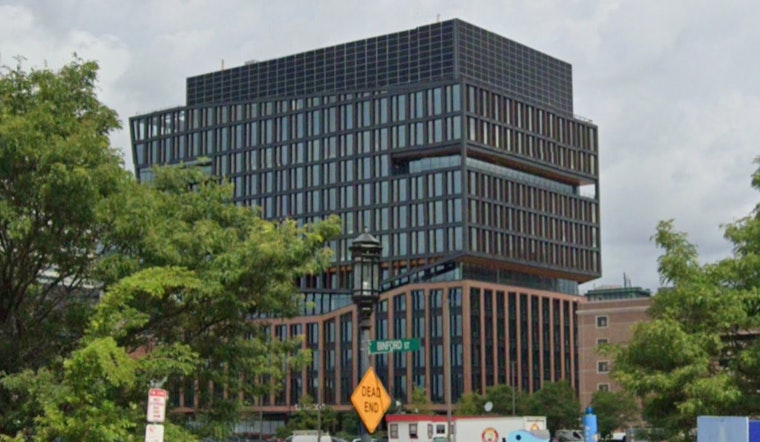
Centessa “has headquarters in the U.K. and in Boston,” which gives researchers, executives and investors around Kendall Square a direct connection to an orexin franchise that will now sit inside one of pharma’s biggest commercial operations, the Globe noted. For Boston’s broader biotech ecosystem, the sale could speed clinical development, pull more local labs and hospitals into large trials and influence hiring or lab buildout plans depending on how Lilly chooses to integrate the company.
The deal also highlights how quickly sleep medicine has moved from niche corner of neuroscience to a competitive commercial race, with major drugmakers positioning themselves around potentially transformative mechanisms. Patients and clinicians could eventually see new tools for tackling debilitating daytime sleepiness, although how widely these drugs are used will hinge on the results of registrational studies and the verdicts that follow from regulators.





