

























































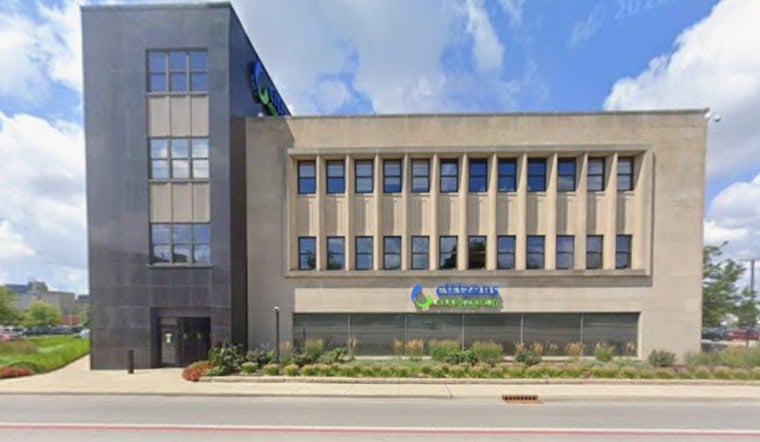
Crews from Citizens Energy Group are chewing up curbs and front yards in the Near Northwest–Riverside neighborhood as part of a major push to get rid of lead water service lines. The work includes new piping, temporary pavement patches and some directional drilling, all in a block-by-block campaign to swap out thousands of aging connections between the street and nearby homes.
Local progress and scope
According to Citizens Energy Group, crews replaced 2,285 lead service lines in 2025, pushing the total number removed to more than 5,000 so far. The utility estimates the long-term program could cost upward of $500 million. The Martindale-Brightwood phase has wrapped, and crews shifted into the Near Northwest–Riverside area in early 2026.
Why Near Northwest–Riverside?
The neighborhood is packed with older homes that are more likely to still have original service lines, and reporters note that many addresses there are marked as lead or unknown in the utility’s inventory. Resident Steve Downing told WISH-TV, “we signed up immediately for the opportunity,” saying the promise of safer water outweighed the temporary hassle of construction.
State and federal picture
Locally, the rush to dig is tied to a national countdown under the EPA’s revised Lead and Copper Rule, which requires water systems to identify and remove lead and certain galvanized service lines on a timeline that ends with a 2037 replacement deadline. As WRTV reports, roughly 4,000 water systems across Indiana must catalog their service-line materials and notify customers who may be affected. Citizens says the aggressive replacement program currently adds about $3.60 a month to the average water bill while the work is underway.
How replacements happen
The utility’s plan calls for full replacement of the service line from the water main all the way to the home. Citizens says it can move block by block when homeowners sign a right-of-entry agreement so crews can access private property in one coordinated sweep. Property owners who prefer to handle part of the job themselves can request a quote or hire a registered plumber for the private-side portion. Citizens will then complete the public-side work, flush the line and provide follow-up sampling to confirm water quality, according to Citizens Energy Group.
Funding and coordination
The Martindale-Brightwood and Near Northwest–Riverside efforts are being timed alongside water-main replacements and financed through the state’s Drinking Water State Revolving Fund, a strategy meant to cut costs and reduce repeated disruptions, according to an addendum on file with the Indiana Finance Authority. Federal programs and state SRF loans are helping utilities speed up lead line removal while keeping immediate out-of-pocket costs for homeowners comparatively limited.
Health stakes
Public health officials have long warned that lead can damage the brain and nervous system and increase cardiovascular risks in adults, with children and pregnant people facing the greatest danger, according to the CDC. Toxicology reviews and public-health guidance underline that pulling out lead service lines entirely is one of the most effective ways to cut long-term exposure from drinking water.
How to check and what to expect
Homeowners can look up their service-line material and request testing or additional information through the utility’s online portal on ArcGIS, and Citizens posts construction maps and step-by-step guidance for blocks where work is scheduled. Coverage from WRTV breaks down what residents can expect in terms of advance notices, brief water shutoffs and how billing is handled while crews are active on a street.
“It’s important to get the lead out and to limit that lead exposure,” a Citizens spokesperson told WISH-TV. Neighbors on the near-northwest side should plan on seeing utility trucks and torn-up parkways for months to come as service lines that have been in place for generations are finally pulled out of the ground.





