

























































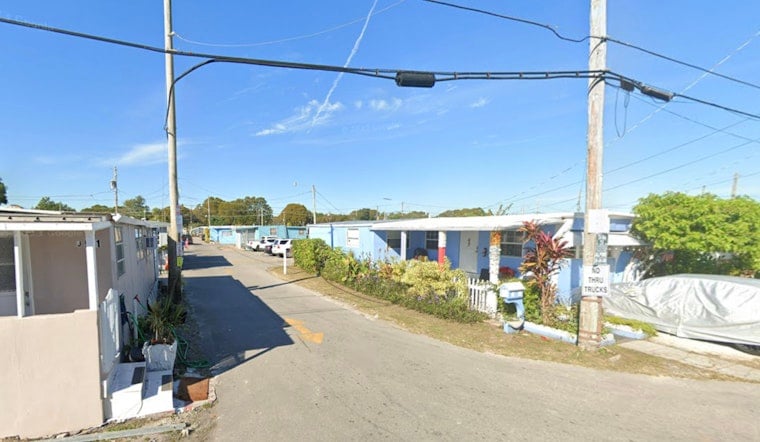
More than 200 families at Silver Court Mobile Home Park in Little Havana have been told they have six months to clear out, a move that is rattling an older, low-income community already on edge about displacement. Residents say park management delivered written notices on March 11, setting a hard move-out deadline of Sept. 30, 2026, and laying out a tiered cash offer that tenant advocates argue will not come close to covering real-world costs. Many of the tenants own their mobile homes but rent the land underneath, paying close to $1,000 a month, and are now scrambling to find anything remotely affordable in Miami’s tight housing market.
Tiered buyouts and a ticking clock
According to CBS News, the relocation offer tops out at $13,000 for residents who manage to move their homes off the property by May 31, 2026. Those who give up and abandon their homes by that same date can receive up to $12,750. After July 15, the maximum drops to $8,000, and after Aug. 31 it falls again to $5,500.
The March 11 notice also tells tenants they must keep paying their monthly lot rent until they formally agree to relocate. Representatives for the park say staff members are on site to field questions, but residents and advocates counter that no amount of customer-service politeness changes the bottom line: move out or lose everything.
Residents' reaction
For many, the letter was more than a legal notice. It was a gut punch.
"I'll end up in the streets like a beggar because I have no family here," 93-year-old Teresa Alvarez told CBS News. Other tenants described the notice as devastating and bewildering.
Resident Freddy Valle said, "we received this letter basically saying we're being evicted and we only have six months to do so," capturing the shock many felt as they tried to process the timeline and the money on offer. Local advocates warn that a large share of the park’s residents are retirees living on fixed incomes who will have a hard time finding another place, much less paying to move a mobile home or absorb the loss if they are forced to abandon it. Tenants told reporters that the proposed payments would not cover typical moving expenses, let alone the loss of long-standing community ties.
Ownership and development pressure
Silver Court sits along Southwest 8th Street near 32nd Avenue in Little Havana, a corridor that has seen rising development pressure and investor interest. The Real Deal reported that the park was part of a 2021 multi-property acquisition that brought new investor ownership to several Eighth Street trailer parks. Tenant advocates say deals like that are helping squeeze out one of the last relatively affordable housing options in South Florida: renting a mobile-home lot.
What the law requires
Florida law allows a park owner to terminate lot tenancies when the use of the land is changing, but it also sets out procedures that are supposed to soften the blow for displaced homeowners. Under Florida Statute, eligible homeowners may qualify for payments to help with either moving their mobile homes or abandoning them, with funding flowing through the Florida Mobile Home Relocation Trust Fund, as explained by MyFloridaLegal.
Local precedents and political pressure
This is not the first time a South Florida mobile-home community has been put on the clock. The Li'l Abner mobile-home park in Sweetwater became a flashpoint after residents there received their own change-of-use notices. Coverage of that case by WSVN showed how quickly such closures can escalate into a county-level crisis, triggering protests, legal fights and public calls for help from elected officials.
Where residents can turn
Homeowners who receive a change-of-use notice can apply for relocation or abandonment assistance through the Florida Mobile Home Relocation Corporation, which administers the state fund. The agency’s website offers claim forms, contact information and eligibility criteria (FMHRC).
The Florida Department of Business and Professional Regulation’s Division of Condominiums, Timeshares and Mobile Homes also maintains regional offices and publishes guidance for affected homeowners (DBPR). Advocates say tenants facing a closure notice should keep copies of all documents they receive, track any communication with park management and consider reaching out to legal-aid organizations or county housing offices as they navigate a process that can determine whether they keep a roof over their heads.





