

























































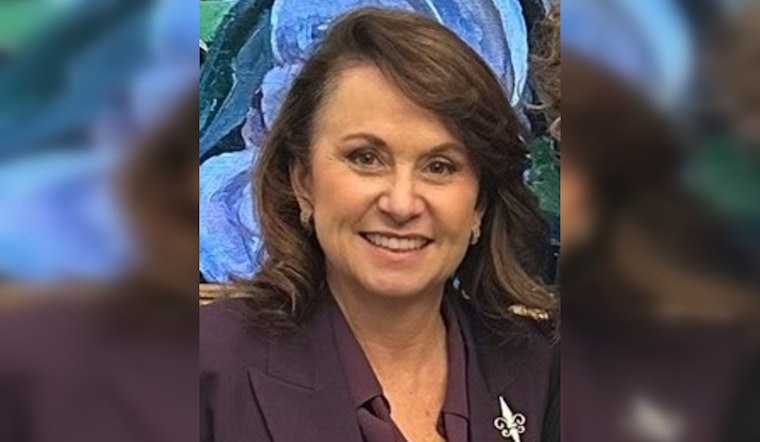
Louisiana Attorney General Liz Murrill says she has scored a major win in the long-running fight over online speech. On March 26, 2026, Murrill announced that her office reached a federal consent decree with the Trump administration that, she says, bars the federal government from pressuring social media platforms to censor constitutionally protected speech. Her office framed the deal as the capstone to litigation launched in 2022, fueled by tens of thousands of pages of discovery. If enforced, the decree would curb how federal health and security agencies push platforms on posts about COVID-19, elections and other hot-button topics, according to her office, as per New Orleans CityBusiness.
According to New Orleans CityBusiness, which carries a USA TODAY/Reuters report that first appeared in the Shreveport Times, Murrill’s news release describes the deal as a binding federal order. She says it blocks certain agencies from using the threat of legal, regulatory or economic punishment to push social media companies into taking down content.
What the decree says
The release, as quoted by New Orleans CityBusiness, points to language in the decree aimed squarely at federal health and security officials. It states that the Surgeon General, the Centers for Disease Control and Prevention (CDC) and the Cybersecurity and Infrastructure Security Agency (CISA), described as the “Enjoined Defendants,” "shall take no actions, formal or informal, directly or indirectly ... to threaten Social-Media Companies with some form of punishment ... unless they remove, delete, suppress, or reduce, including through altering their algorithms, posted social-media content containing protected free speech."
Murrill’s statement portrays the settlement as a restoration of First Amendment protections. She publicly thanked the Trump administration, casting the agreement as, in her office’s view, a defense of constitutional rights in the online arena.
Where this came from
The consent decree arrives after years of legal trench warfare. In 2022, Louisiana and Missouri sued federal officials, accusing them of leaning on platforms to tamp down COVID-19 and election-related speech. That lawsuit produced a string of headline-making rulings: a July 4, 2023 preliminary injunction from U.S. District Judge Terry Doughty, a narrowed order from the Fifth Circuit Court of Appeals, and then a 2024 ruling from the U.S. Supreme Court that said the plaintiffs lacked Article III standing to seek an injunction.
The Supreme Court’s majority opinion, along with the dissents, is publicly available and continues to shape how courts analyze claims that government outreach turned private content moderation into state action (Supreme Court).
Legal implications
Murrill’s office says the underlying discovery produced an extensive paper trail: more than 20,000 pages of documents that, according to the attorney general, show coordinated pressure on social media companies (Louisiana Attorney General's office). She argues the new consent decree gives Louisiana both standing and a concrete enforcement tool to police federal contacts with platforms.
Any attempt to use that tool, however, would almost certainly trigger new legal challenges, given the Supreme Court’s earlier standing decision. For the moment, Murrill is presenting the decree as Louisiana’s mechanism for watching and, if necessary, challenging future federal efforts to influence platform moderation.
What to watch next
Legal and policy watchers are waiting to see whether the consent decree actually lands on a court docket and whether the U.S. Department of Justice or the agencies involved move to contest or clarify its terms. The broader dispute has already generated a thick procedural record. Earlier injunctions were narrowed on appeal in 2023, and a flurry of appeals and emergency motions put a spotlight on how federal officials talk to tech platforms about misinformation and security issues (AP).
If Louisiana tries to enforce the decree or if federal agencies push back, the fight over who gets to nudge your social media feed could be headed right back into court.



.jpg)