

























































What was supposed to be a quick $10 good deed outside a Chicago Home Depot turned into a $4,000 headache for one shopper watching her Chase Bank app. She says the huge charge was never authorized, reported it to both Chase and the Chicago police, and eventually got the money back after the bank took a second look at her dispute.
How a Lunchtime Tap-To-Donate Became a $4,000 Hit
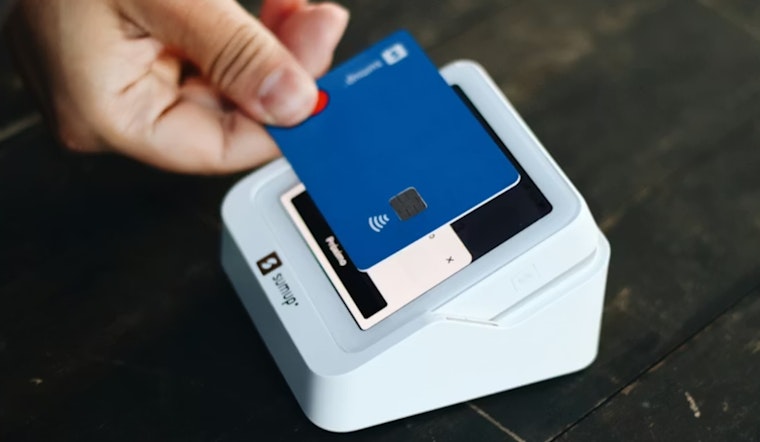
On a lunch break in early December, Ana Criollo says three men approached her on the sidewalk near the Home Depot on North Elston Avenue and asked for a donation for a child impacted by gun violence. The men had a portable card reader and told her they accepted cards. Criollo agreed to give $10 and tried tapping two different cards.
The next day, she opened her banking app and saw a $4,000 charge for a catering service. The merchant was listed as a caterer in North Carolina, while the transaction location showed up next to that same Home Depot on Elston, according to NBC 5 Chicago.
What Regulators and Consumer Agencies Warn About
Portable readers, QR codes, and rushed in-person solicitations are all tactics scammers commonly use to pressure people into on-the-spot donations. The Federal Trade Commission urges donors to slow down and verify a charity before giving.
The FTC recommends researching a fundraiser, donating only through a charity’s verified website or official phone number, and checking bank and credit card statements regularly to catch unauthorized charges early, according to the Federal Trade Commission.
Bank Review and Store Response
Chase initially denied Criollo’s fraud claim after a merchant receipt apparently indicated she had authorized the $4,000 charge. After a further review, the bank later told NBC it had credited her account.
The Home Depot told NBC the incident “isn’t the experience we want any of our customers to have” and noted that it has a longstanding no-solicitation policy at its stores, as NBC 5 Chicago reports.
What To Do If You Are Targeted
If you spot an unexpected charge, consumer officials say the clock starts ticking. Contact your bank immediately, file a police report, and report charity scams to the FTC at ReportFraud.ftc.gov. Keep screenshots, ask your bank for merchant receipts, and save any documentation. Those are steps the FTC recommends and the kind of records that helped Criollo secure a reversal in this case, according to the Federal Trade Commission.




