

























































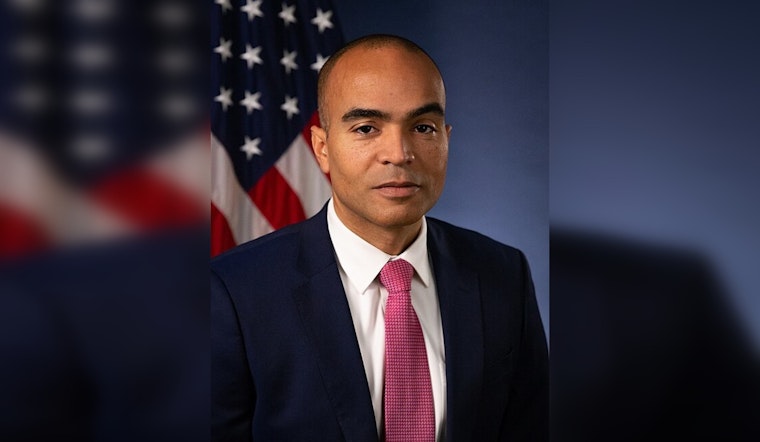
Washington Attorney General Nick Brown says hundreds of low-income seniors were sold a “luxury” dream and handed leaky ceilings instead. On Wednesday, his office announced that FPI Management and several property owners agreed to a $7 million settlement after tenants reported mold, broken appliances and ripped flooring at buildings that were advertised as high-end senior living.
The deal channels money straight back to renters and into long-delayed repairs and security fixes at the affected complexes.
Settlement Terms and Who Gets Paid
Under the settlement, FPI and the named owners will provide $2.5 million in restitution to impacted tenants and another $4.5 million over the next four years for property repairs, security upgrades and changes to how the apartments are marketed, according to KOIN. KOIN reports the agreement will ultimately touch more than 1,000 senior renters across multiple Western Washington properties.
How the State Built Its Case
Brown filed suit in Snohomish County in June 2025, alleging that FPI and several property owners failed to clearly disclose how rent would be calculated under the federal Low-Income Housing Tax Credit program and misrepresented unit conditions and amenities, according to the Washington Attorney General’s Office. The state asked the court for injunctive relief, restitution and civil penalties for what it described as unfair and deceptive practices aimed at vulnerable seniors.
The original lawsuit and its allegations were also detailed in Hoodline’s coverage of the complaint.
Local Footprint and Tenant Complaints
The complaint targets Vintage-branded properties in Everett, Mill Creek, Sequim and Tacoma, along with Cedar Pointe Apartments in Arlington. Tenants there said they were promised perks like pools, fitness centers and computer rooms, only to find those amenities either frequently out of service or permanently closed.
HeraldNet and other local outlets documented photos and resident accounts that were folded into the state’s evidence, painting a much less glamorous picture than the glossy marketing materials suggested.
Why LIHTC Details Mattered
The properties participate in the Low-Income Housing Tax Credit program, which ties rent ceilings to the area median income rather than to a particular tenant’s fixed Social Security or pension checks. The state argues that tenants should have been clearly warned that their rent could climb with the broader market, a detail that left some seniors scrambling to keep up.
Industry coverage noted that the attorney general sought restitution, civil penalties and court oversight to keep the alleged practices from continuing, a move that put the owners at risk of ongoing fines and strict injunctive orders if they did not comply, according to Multifamily Dive.
Owners’ Response and What Comes Next
Vintage Housing has publicly disputed the state’s characterization of its conduct but agreed to a consent decree and said it would comply with the law going forward. FPI Management did not respond to requests for comment, KOIN reported.
The attorney general’s office will oversee restitution payments, monitor the promised repairs and security upgrades, and review changes to the companies’ advertising. If the firms fall short of the settlement terms, the state can return to court and seek additional penalties.





