

























































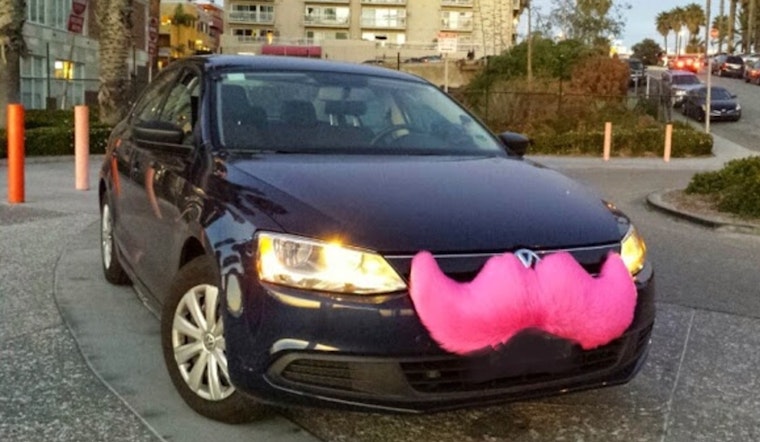
After a blind Minnesota college student was repeatedly left waiting on the curb when Lyft drivers canceled rides because she traveled with a guide dog, the state stepped in. Lyft has now agreed to a settlement that includes a $63,000 payment to the rider, changes to its app and driver training, and three years of state monitoring aimed at stopping similar denials.
According to CBS Minnesota, the Minnesota Department of Human Rights concluded that Lyft violated the Minnesota Human Rights Act after multiple drivers canceled trips for college student Tori Andres between November 2021 and January 2023. Commissioner Rebecca Lucero put it bluntly: "For people with disabilities, access to rideshares like Lyft is not a convenience; it is a civil right."
Investigation Found Rider Stranded And Missing Care
The case started with a complaint filed in 2021 by Mid-Minnesota Legal Aid, and the Minnesota Disability Law Center went on to document six separate times when Andres and her guide dog, Alfred, were left without a ride, as reported by FOX 9 Minneapolis-St. Paul. In one instance, a driver hung up as soon as they learned she would be traveling with a service animal. In another, two different drivers canceled within minutes of each other, causing Andres to miss a medical appointment.
What Lyft Agreed To Change
Under the settlement, Lyft must roll out a series of concrete fixes designed to make it much harder for drivers to shut out riders with service animals, WCCO/Audacy reports. The company will:
- Push in-app warnings to drivers who try to cancel trips for riders who have disclosed a service animal
- Create a dedicated service-animal hotline
- Add an in-app option that lets riders pre-disclose that they will be traveling with a guide dog
- Implement updated driver education nationwide on service-animal rules
On top of that, state officials will be monitoring Lyft’s compliance with these requirements for three years.
Bigger Pattern For Rideshares
Advocates point out that this dust-up is part of a larger, years-long fight over how rideshare companies treat riders with service animals. Lyft previously reached a 2017 agreement with the National Federation of the Blind to improve access for riders using guide dogs, and other cases have led to sizable awards, including a 2021 arbitration in which a blind passenger received roughly $1.1 million from Uber. Those earlier agreements and rulings helped push companies to adopt formal policies and training, according to Rosen Bien Galvan & Grunfeld and reporting by Forbes.
Rider Reaction And Company Response
For Andres, the stakes went far beyond a few inconvenient cancellations. Speaking about her guide dog, Alfred, she said, "He is my eyes. He is my freedom, and he is why I am able to live independently," describing how being repeatedly stranded disrupted her daily life, WCCO/Audacy reports.
Lyft told local outlets that it has had a service-animal policy in place for years and that drivers who break that policy face serious consequences, including the possibility of being deactivated from the platform.
Legal Implications
The settlement resolves alleged violations of the Minnesota Human Rights Act and locks in specific requirements intended to reduce discrimination against riders who travel with service animals. Those include nationwide training, app changes, and years of oversight. Minnesota officials publicly announced the deal and said they will supervise how Lyft carries out the terms of the agreement, according to local coverage by KTTC.





