

























































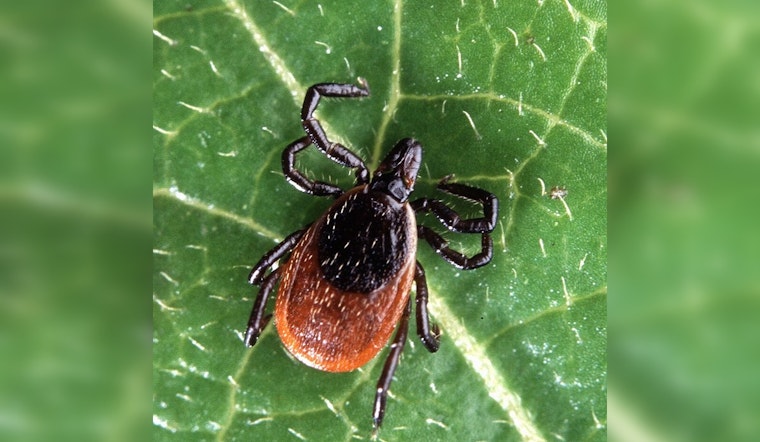
Kendall County health officials say last year's tick surveillance turned up an unsettling result: of 230 deer ticks tested from around the county, 109 were carrying Borrelia burgdorferi, the bacterium that causes Lyme disease. That is nearly 47 percent of the samples, a figure that has local authorities urging residents to be extra cautious as spring and summer outdoor activity ramps up.
According to WSPYnews, the county's surveillance team collected ticks through targeted drag surveys and voluntary public submissions across Kendall County during last season's monitoring. Those deer ticks were then sent to the Illinois Department of Public Health for molecular testing, with county staff releasing the results on March 2.
Where the numbers came from
The Kendall County Health Department oversees the local tick surveillance program, relying on both tick drags and community-submitted specimens to build its sample pool. From there, officials select deer ticks for laboratory testing and share the resulting data with municipalities, townships, and the county forest preserve to help guide local risk assessments and public outreach.
What this means for residents
Lyme disease can begin with fever, headache, and a characteristic skin rash. If it goes untreated, the infection can spread to the joints, heart, and nervous system, the CDC notes. To cut the risk, health officials point to basic precautions: wear long sleeves and pants when possible, use an EPA-registered insect repellent, and do thorough tick checks after spending time outdoors, according to the Illinois Department of Public Health.
How testing works
The state works with the University of Illinois' Medical Entomology Lab to identify tick species and run molecular tests that look for Borrelia and other tickborne pathogens, the INHS Medical Entomology Lab explains. Results from those tests feed into the statewide surveillance dashboard and help shape public health priorities, including where to focus education efforts and additional sampling.
If you find a tick attached to your skin or on a pet, Kendall County's tick program advises removing it promptly with fine-tipped tweezers, cleaning the bite area, and considering saving the tick in alcohol so it can be identified later. Residents who develop symptoms after a tick bite can contact a health care provider or use the Kendall County Tick ID service for help with identifying and submitting ticks for testing.


