

























































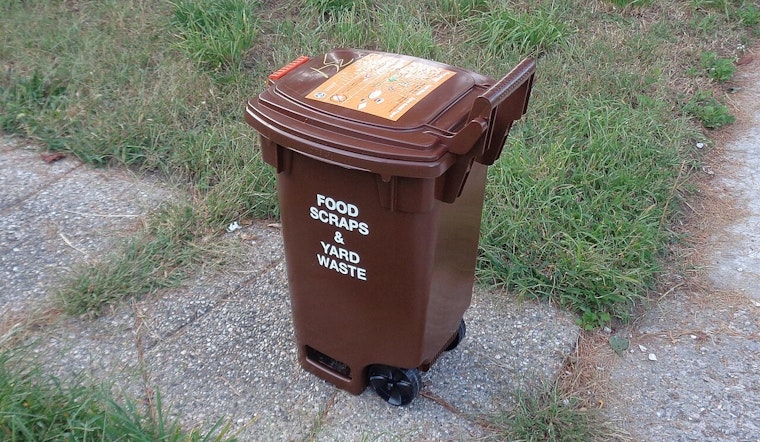
Mayor Zohran Mamdani's administration quietly flipped the enforcement switch back on for New York City's mandatory curbside composting program in January, reviving fines for building owners who fail to separate food scraps. The move, announced with little fanfare, has already produced hundreds of summonses and a modest haul of collected fines as inspectors ramp up checks across all five boroughs. For landlords and building managers, it means those long-ignored brown bins are now an active line item in the compliance budget, with penalties escalating from small first-offense fees to hundreds of dollars for repeat violations.
As reported by Inside Climate News, the Department of Sanitation said it has “begun issuing summonses to buildings of all types” and confirmed that from Jan. 1 through Jan. 21, inspectors issued 330 noncompliance summonses. The agency has framed the renewed enforcement as just one piece of a broader push that pairs inspections with outreach aimed at helping buildings get into line rather than simply racking up violations.
Local counts on enforcement show a moving target. Gothamist reported roughly 425 summonses and highlighted city data indicating that only about 6% of organics were being composted recently. The New York Post later put the tally at 516 summonses so far this year and noted that public records show the Department of Sanitation issued 42,844 compost-related warnings from April through December 2025, collecting about $12,900 in fines to date.
How enforcement works and what the numbers show
City rules require residents to separate food scraps, food-soiled paper and yard waste, and the Department of Sanitation has allowed fines since April 1, 2025. The agency lays out the program on its website, including the penalty structure: buildings with one to eight units face a $25 first offense that climbs with repeat violations, while larger properties can be hit with fines up to $300, according to DSNY.
The department has also documented that once collection ramped up, separated compost totals surged into multi-million-pound weeks later in 2025, setting new weekly records. DSNY has highlighted those record hauls in its own reporting as proof that the system can work when residents and building staff actually follow the rules. Sanitation officials say the new enforcement push is being paired with outreach and bin access efforts so buildings have a clear path to compliance rather than a surprise ticket on the door.
Borough pushback and what leaders say
Not every corner of the city is thrilled about the crackdown. Staten Island councilmembers sent a letter urging the administration to delay fines and bulk up education and outreach first, the New York Post reports. Local advocates and environmental groups warn that a start-stop pattern on enforcement can undermine public trust and compliance.
Gothamist quoted a city NRDC official who argued that halting enforcement sends mixed messages and that fines only really work when they are paired with strong outreach and easy access to clearly labeled compost bins. In other words, if residents are going to be punished for tossing their peels in the wrong bag, they at least need a fair shot at doing it right.
The bottom line: city officials say they plan to keep combining education with enforcement as the composting program matures. For landlords and building managers, that means treating compost separation as an active compliance requirement, not an optional nice-to-have, if they want to avoid escalating penalties. Residents looking for help can reach out to their property manager or call 311 for guidance on labeled bins and collection schedules.



