

























































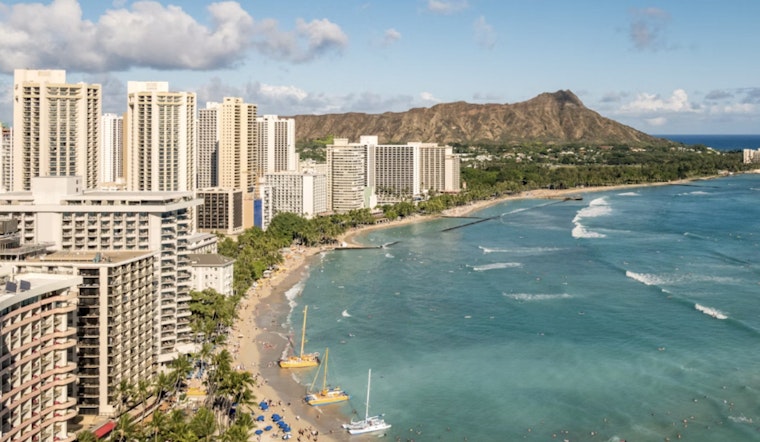
Marriott’s growing footprint across the Hawaiian Islands is turning up the volume on a familiar local argument: hotels clearly pour tax money into state coffers, but who actually walks away with the profits. As brand fees, reservation systems and massive loyalty platforms steer more of the world’s travelers toward the same logos, residents from Waikīkī to Maui say that rising housing costs and scarce land make the flow of tourism dollars a high-stakes issue. The question feels especially sharp in places where high-end resorts and long-term lease deals sit on some of the most limited and valuable real estate in the islands.
Hawaiʻi’s tourism math
Tourism still calls the shots in Hawaiʻi’s economy. Visitor spending routinely lands in the mid-teens billions of dollars, with recent tallies coming in north of $17 billion. Before the pandemic, annual visitor arrivals were brushing up against 10 million, and tourism supports roughly one in five jobs statewide. According to the Hawaii Tourism Authority and state data from the Department of Business, Economic Development & Tourism, those numbers are the base that helps pay for schools, roads, water systems and other public services.
Taxes stacked on a room rate
Every hotel stay comes with a pile of line items that go beyond the nightly rate. Visitors face the state Transient Accommodations Tax (TAT), the general excise tax and county add-ons, and together those charges can push the tax burden on a room into the high-teens percentage range. Fiscal summaries from the State Department of Taxation show TAT receipts alone landing in the ballpark of three-quarters of a billion dollars in a recent fiscal year, a reminder of just how large the tax stream from lodging really is. State Department of Taxation.
How Marriott profits without owning everything
Marriott is a textbook example of the modern “asset-light” hotel model. Instead of owning most of the buildings that carry its flags, the company focuses on managing hotels, franchising its brands and running a giant loyalty and booking machine that funnels guests into its system. That setup lets Marriott collect franchise royalties, management fees and reservation fees, while the actual real estate is often held by outside investors. In public filings and investor presentations, Marriott highlights a sprawling global network of branded properties and an enormous loyalty base that feeds those hotels. Marriott International.
Fee layers that can leave the islands
For the big brands and management companies, the money typically comes off the top. Franchisors and managers tend to take percentage fees tied to room revenue, with industry disclosures showing franchise royalties often in the mid-single digits, plus separate marketing and reservation fees layered on top. SEC filings from major hotel franchisors spell out how even a modest slice of gross room revenue can add up to sizable corporate income once it is multiplied across thousands of rooms. Those franchise and marketing fee structures are laid out in detail in big chains’ own investor documents. Wyndham.
Kapalua and Waikīkī as case studies
The tug-of-war over who gets paid is not theoretical. On Maui, a high-end property now operating under the Montage flag is slated to flip to the St. Regis Kapalua Bay name, a brand change that typically plugs the hotel into new reservation channels and loyalty revenue streams that benefit the brand owner. In Waikīkī, some Marriott-branded resorts sit on land controlled by long-standing trusts and estates, which complicates how operating revenue gets sliced among landowners, hotel operators and the brand’s corporate platform. Together, these local examples show how brand switches and land arrangements can quietly rewrite who collects the money that visitors spend. eTurboNews.
Workers, residents and the wrench of rising housing costs
For hotel workers and many residents, the growing corporate control over booking and loyalty channels is tied directly to the affordability crunch on the ground. Unions and community advocates point to long negotiations over wages and staffing levels, while reporting keeps underscoring that housing costs remain a central worry for locals trying to stay in their own communities. Those labor and housing pressures help explain why the question of who captures tourism dollars has turned into a live political issue in Honolulu and on the Neighbor Islands. Coverage of Waikīkī hotel workers poised to strike has tracked those tensions as they spill onto the streets and bargaining tables.
Policy moves and the “green fee”
Lawmakers have started trying to reroute at least some visitor dollars toward climate resilience and recovery efforts. The Legislature approved an addition to the TAT that raises the effective tax rate and earmarks a portion of the money for environmental work and hazard-resilience projects, a shift that has both vocal supporters and legal challengers. The change could pull more cash out of tourist wallets for public projects, but it does not alter the basic ownership patterns and fee structures that steer brand-related revenue off-island. Kiplinger and local reporting lay out the details and the brewing fights over the policy.
What to watch next
The argument over Marriott’s expanding footprint in Hawaiʻi is not just a corporate soap opera. At its core, it is about whether the billions that visitors spend will show up as local paychecks, housing solutions and stronger communities, or whether a growing slice will be collected by out-of-state property owners and central corporate platforms. Expect sharper scrutiny of franchise and management contracts, louder calls for transparency around fee flows and renewed pressure on lawmakers to craft tax and land-use rules that keep more tourism money working in island neighborhoods. For now, the math is clear enough to keep the debate burning: the state pulls in hefty tax revenue, but the ownership chains and fee models ultimately decide how much of Hawaiʻi’s tourism windfall truly stays in local hands.





