

























































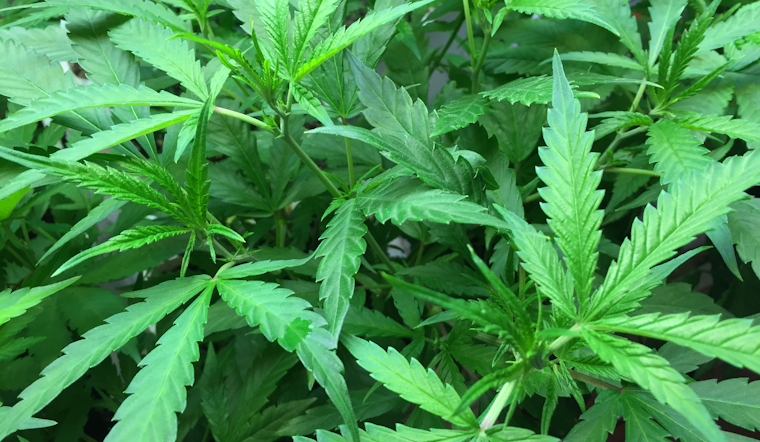
Maryland lawmakers are moving to shield fire and rescue personnel who are registered medical cannabis patients, advancing a bill that would keep many departments from disciplining workers solely for what they do off the clock. The Senate vote sets up a House showdown over safety, impairment testing, and whether federal rules could complicate local policies.
Senate Bill 439, sponsored by Sen. Carl Jackson, cleared the Senate on March 6 in a 33–11 vote. The measure was sent to the House Economic Matters Committee and would take effect Oct. 1, 2026, according to the Maryland General Assembly.
What the bill would do
The proposal would prohibit employers from taking adverse job actions against a fire or rescue worker who holds a valid medical cannabis certification or who tests positive while holding that certification. Under the bill, an employer "may not discipline, discharge, or otherwise discriminate" on that basis, while still keeping the authority to ban on-duty use and to respond to signs of impairment.
The bill text, posted by the Maryland General Assembly, also requires employers to report incidents of suspected on-duty impairment to the State Emergency Medical Services Board.
Supporters say it's about health
Unions, veterans groups, and some lawmakers told committees that standard drug screenings pick up past THC exposure rather than real-time impairment. They argued that many first responders use medical cannabis to manage chronic pain, sleep disorders or PTSD and that failing a test based on off-duty use should not cost them their careers.
Advocates pointed to Howard County's recent policy change, where the county agreed to allow off-duty medical cannabis use for uniformed firefighters starting Jan. 31, as a model for statewide reform, according to CBS Baltimore.
Chiefs warn about safety and federal rules
Local fire chiefs and county officials pushed back, warning that THC can affect reaction time and that there is still no widely accepted way to measure on-the-spot impairment in the field. Opponents told lawmakers that the lack of a universal impairment test, along with potential conflicts with federal drug-free workplace rules, creates enforcement and liability problems, a concern highlighted in reporting from Firehouse.
What's next in Annapolis
With the Senate vote complete, the bill now heads to the House, where Economic Matters Committee members are expected to weigh the competing safety, labor, and health arguments this month, according to Marijuana Moment. If the House approves the bill and the governor signs it, the statutory changes are scheduled to kick in on Oct. 1.
Supporters say SB 439 would stop forcing first responders to choose between legal medical care and a career. Critics counter that unanswered questions about on-duty impairment and federal funding need to be sorted out first. WBOC's March 12 coverage includes video from hearings and interviews that capture the divide lawmakers now have to resolve in Annapolis.





