

























































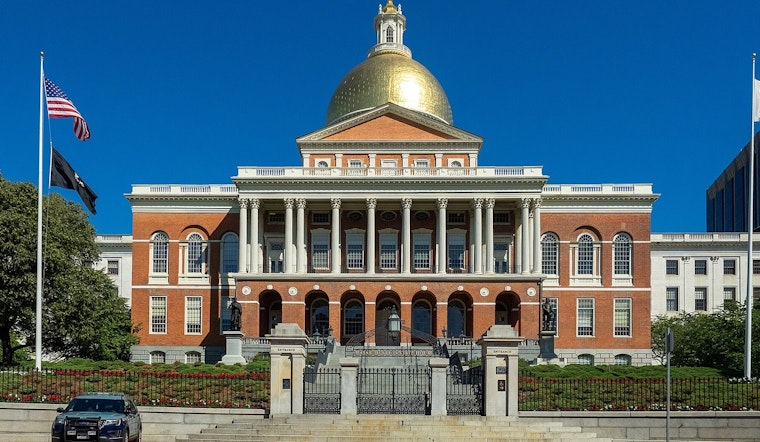
Towns across Massachusetts are pressing Beacon Hill to hit the brakes on a proposal that would stop the Registry of Motor Vehicles from blocking license renewals over unpaid parking tickets, tolls or motor vehicle excise taxes. Local finance officials say that leverage is a key way they collect money that keeps classrooms open, police and fire departments staffed, and road crews paid. Take it away, they warn, and cities and towns could be pushed toward higher property taxes. Supporters counter that the change would keep people from losing the right to drive to work or care for family over relatively small debts. That tug-of-war is now unfolding on Beacon Hill as the bill begins its trip through the Legislature.
As reported by NBC Boston, Westborough Finance Director Jonathan Steinberg said his town collects about 92% of its motor vehicle excise bills, and that the remaining delinquent accounts add up to roughly $350,000 he doubts could be easily replaced. The Massachusetts Municipal Association, through executive director Adam Chapdelaine, told the same outlet that motor vehicle excise taxes are an essential local revenue source backing schools, public safety, public works and other basic services. Town leaders argue that without the RMV's nonrenewal tool, collection rates would slip and the tab for unpaid bills would quietly land on other taxpayers.
What the bill would change
The measure, filed by State Sen. Julian Cyr and titled "An Act to increase opportunity by ending debt-based driving restrictions" (Senate No. 2368), would delete current state law that lets the RMV place a driver's license or registration in nonrenewal for unpaid fines and fees, while adding new processes for hardship waivers and electronic notices during renewal, according to the bill text on the Massachusetts Legislature website. The draft would also require the registrar to reinstate licenses and registrations suspended for certain debt-based reasons within three months of the law taking effect and to notify affected drivers about their right to contest or seek reductions.
Sen. Cyr says the goal is to avoid surprise suspensions that can knock people out of a job and deeper into financial trouble. "Too many residents experiencing financial challenges face a difficult choice between forfeiting income and driving without a license," he said, as reported by NBC Boston. Governor Maura Healey has signaled support for a similar approach in her most recent budget plan, which aims to remove nonrenewal for unpaid tolls and fines and make the system less punitive, according to The Boston Globe.
How collections work and what towns say is at stake
Under current practice, local tax collectors can ask the RMV to mark a registration or license as nonrenewable to force payment of overdue motor vehicle excise bills. That tool is built into the way cities and towns recover unpaid excise taxes, according to guidance on Mass.gov. Municipal leaders say that money is already baked into their annual budgets, so if fewer people pay, the resulting holes typically get plugged by raising property taxes or cutting services.
What’s next on Beacon Hill
The bill still has to clear a committee, survive floor debates and win final votes before it can reach the governor's desk, and both sides are gearing up to make their case. Supporters point to data showing the RMV has marked millions of licenses for nonrenewal in recent years and argue that changing the rules will cut down on surprise suspensions and help ease court backlogs, according to the bill filing and related reporting. Municipal officials say any reform needs guardrails so towns are not left scrambling to replace a critical revenue source.
For now, the fight comes down to competing priorities: protecting residents from debt-driven loss of mobility and preserving straightforward tools that local governments rely on to collect money for basic services. Lawmakers will have to sort through those trade-offs as hearings, amendments and behind-the-scenes negotiations unfold.



.jpg)