

























































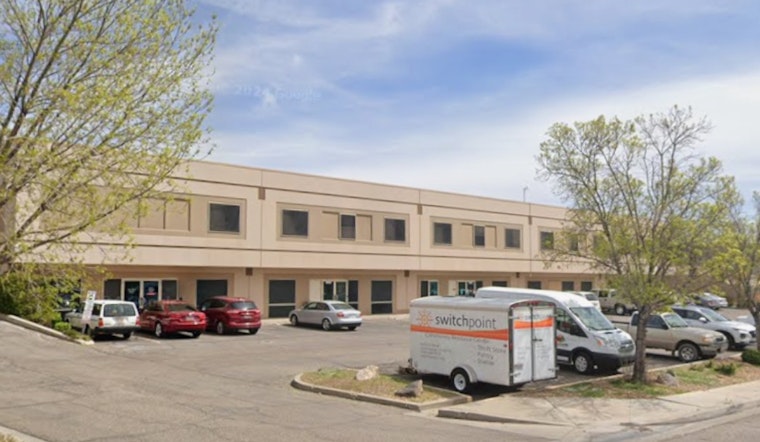
A major food shipment from The Church of Jesus Christ of Latter-day Saints recently refilled Switchpoint’s St. George pantry, feeding thousands of residents in need. It also instantly became something else: a very public reminder that, according to Switchpoint leaders, the nonprofit is still scrambling for steady county dollars to keep basic homeless services running. Staff and local advocates say they are grateful for the one-time gift, but they are now pushing harder for clear, ongoing public funding instead of relying on occasional windfalls.
Salt Lake Tribune reporting
As reported by The Salt Lake Tribune, Switchpoint told the paper that Washington County has declined to fund its homeless services for years, even as other governments and private donors have provided millions. The Tribune described the Church’s donation as both a welcome restock of the pantry and a flashpoint that brought long-running frustrations about predictable operating support for shelters and food programs back into the spotlight.
Switchpoint’s role in Southern Utah
Switchpoint operates a 24/7 emergency shelter, a community kitchen and a food pantry in St. George, and it has added family housing and other supportive services. According to Switchpoint, its reported outcomes include thousands of people helped, hundreds of thousands of meals served and more than 6,000 families permanently housed. Those figures are the backdrop for why staff say stable, day-to-day funding is crucial just to keep the doors open.
The nonprofit blends charitable donations with earned-revenue enterprises, a hybrid approach that leaders say helps but still leaves core operating budgets vulnerable when public money does not show up.
Donations have been large but uneven
Switchpoint has pulled in some significant one-time infusions. A 2024 funding announcement highlighted grants supporting a Salt Lake City housing project from the Olene Walker Housing Loan Fund, The Church of Jesus Christ of Latter-day Saints, and the Larry H. & Gail Miller Family Foundation, a round of support covered by Utah Business. The high-visibility food shipment in early March, roughly 20,000 pounds, was detailed by The Salt Lake Tribune.
Nonprofit leaders say those kinds of gifts have made important projects possible and helped restock pantries at critical moments. What they have not done, they argue, is replace steady public operating dollars that can be counted on year after year.
Where county responsibility fits
Switchpoint also serves as a local access point for the region’s coordinated entry system, tying the nonprofit directly into county and regional responses to homelessness. The Five County Association of Governments lists Switchpoint among the agencies that handle assessments and referrals, a role that links it to public systems even as it relies on outside grants and donations to keep programs going.
Advocates say that tension is exactly what the recent donation exposed: Switchpoint is handling public responsibilities without what they see as matching, reliable county operating support.
The Church’s shipment fed thousands and drew local praise, but it also renewed questions about whether Washington County should start providing regular operating funds to shelters and food programs. Switchpoint leaders say they will continue pressing municipal, county and state partners for predictable backing while leaning on charitable donations to meet immediate needs. For anyone tracking whether that changes, community meetings and the next county budget cycle are the key moments to watch for signs of a shift toward sustained public funding.





