

























































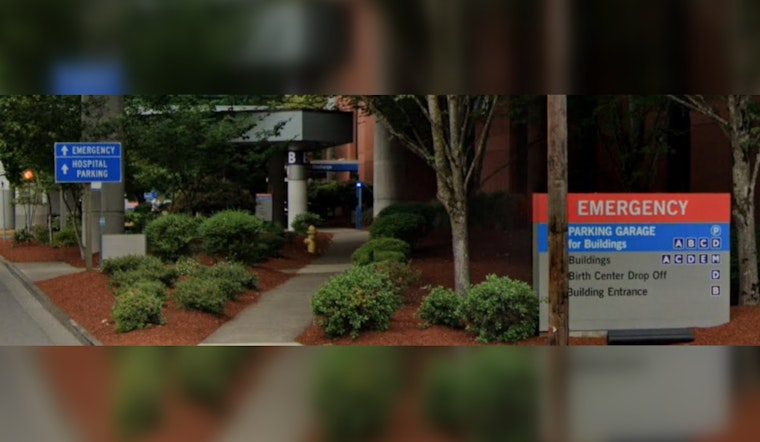
State and county public health officials have flagged two Salem health care locations as possible measles exposure sites and are urging anyone who was there during specific time windows to double-check vaccination records and keep an eye out for symptoms. Exposures in medical waiting rooms are especially worrisome because measles spreads through the air and can hang around after a sick person leaves. Officials say that anyone who thinks they were present during the listed windows should call a health care provider before showing up in person so staff can reduce the risk to other patients.
Marion County officials told KOIN that the sites of concern are the emergency department waiting room at Salem Health Hospital, with possible exposures on March 16 between 6:10 p.m. and 8:30 p.m., and the upper level of the Kaiser Permanente Skyline medical office, with possible exposures on March 13 between 10:30 a.m. and 1:30 p.m. Those windows are the focus of Marion County’s contact tracing, and county staff are advising people who were there to confirm their immunity and report any symptoms to a provider.
The Oregon Health Authority declared a measles outbreak in February and has warned that wastewater monitoring and case reports indicate the virus is circulating in parts of the state, according to the Oregon Health Authority. The agency notes that symptoms typically start seven to 21 days after exposure and that infected people are contagious for about four days before a rash appears and up to four days afterward. Measles virus particles can also linger in the air for up to two hours, which raises the risk for anyone who walks into a waiting room after an infectious person has already left.
The Salem alerts are landing on top of a recent run of exposure notices around the region, including a WinCo in Gresham that officials identified as an exposure site about a week earlier, according to KOIN. Public updates about recent hospital exposure events have repeatedly carried the same warning: if you think you were exposed, call your provider right away instead of walking into a clinic without notice. Coverage of earlier exposure alerts has also pointed out that hospitals and clinics post public notices to speed up contact tracing and protect high-risk patients, as reported by OPB.
What To Watch For
Early measles symptoms typically include fever, cough, runny nose and red, watery eyes, followed by a red, blotchy rash that usually starts on the face and then spreads downward across the body. Complications can include ear infections, lung infections and, in rare cases, brain swelling. Vaccination sharply lowers the odds of getting sick: two doses of the MMR vaccine are about 97% effective, and health officials are reminding residents to review their records, according to Salem Reporter.
Vaccines and Post-Exposure Options
Guidance from the Oregon Health Authority notes that some post-exposure steps can help prevent or lessen illness. An MMR vaccine given within 72 hours of exposure or a dose of immunoglobulin given within six days may be effective for certain people, according to the Oregon Health Authority. For most vaccine-eligible people who are at least 6 months old, OHA recommends an MMR shot within that 72-hour window. Immunoglobulin is reserved for people who cannot safely receive a live vaccine or who face a high risk of severe disease. OHA’s measles guidance outlines timing and eligibility for post-exposure prophylaxis.
Marion County public health staff say contact tracing is still underway and they are continuing to monitor wastewater and case reports. Anyone who believes they were exposed is urged to talk with a health care provider about vaccination status and next steps, and to call first so offices can arrange a safer evaluation. Officials emphasize that quick reporting, call-ahead care and vaccination work together to protect infants, pregnant people and residents with weakened immune systems.





