

























































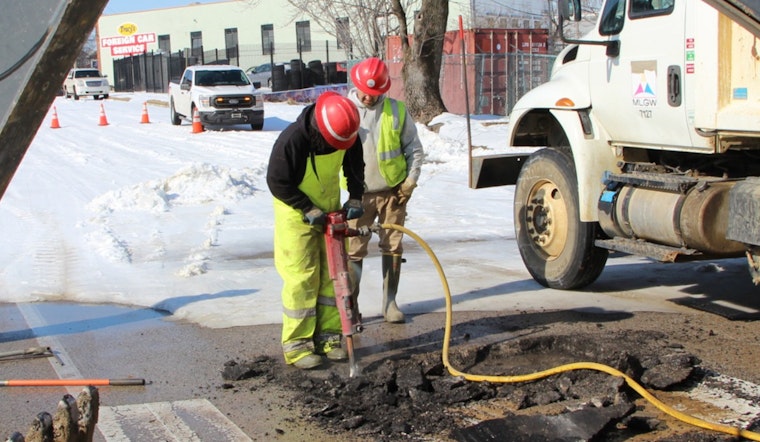
Memphis is out front in Tennessee on ripping out lead service lines, but the job is nowhere near done. City officials told the Memphis City Council this week that Memphis Light, Gas and Water (MLGW) crews have been swapping out lead lines since 2012. Even so, roughly 15,000 utility-side lead lines are still in the ground, and only a few hundred homes have seen full replacements so far this year. That slow pace leaves many older neighborhoods exposed as federal deadlines and tight funding push utilities to pick up the tempo.
During Tuesday’s council meeting, MLGW President Doug McGowen said the utility has been removing lead pipes on both the public and private sides since 2012 and that about 15,000 utility-side lines remain, with roughly 500 to 600 homes receiving replacements this year, as reported by Action News 5. Council members were told a formal request for additional state funding is already in the works to keep the program going. Officials also said they are trying to sync pipe work with paving and other street projects so crews do not have to dig up the same blocks twice.
What MLGW Is Doing
According to MLGW, the utility has inspected and/or replaced more than 11,000 service lines since the program began. Memphis drinking water is treated with orthophosphate to limit corrosion, and MLGW is piloting a “full line replacement” program designed to help homeowners address private-side piping. The utility also offers a searchable service line database and free water test kits for customers who want to confirm what their service line is made of. MLGW stresses the split responsibility: the utility owns the line up to the meter, while homeowners are on the hook for the stretch from the meter to the house.
Neighborhoods And The Customer-Side Challenge
Independent reporting and local advocates say the bigger problem may be in yards and crawl spaces, not just under the street. MLK50 reviewed inspection totals and found crews had checked roughly 40,000 lines and flagged about 14,000 as lead or unknown; the reporting noted an estimated 22,000 customer-side lines that may need replacement, per MLK50. Equity advocates warn that older, lower income neighborhoods often carry the heaviest load of legacy pipes and say those areas should go to the front of the line for financial help.
Federal Timetable And Funding Pressure
The federal rules are turning up the heat. The Environmental Protection Agency’s Lead and Copper Rule Improvements require water systems to identify and replace lead service lines on a 10 year timeline and set a firm deadline to remove nearly all lead service lines by 2037, paired with new funding and stricter monitoring, according to the EPA. That clock has utilities across the country asking how quickly they can ramp up crews, contractors and financing to hit their targets. Local managers say keeping pace with federal expectations will take steady funding streams plus targeted assistance for homeowners who cannot afford the private-side work.
Local Funding And What Comes Next
Closer to home, MLGW has begun lining up money to cover customer-side work in selected neighborhoods. Meeting materials summarized for the council show the utility plans to use about $5 million in American Rescue Plan Act funds to replace private-side lines for roughly 600 homes where the public-side work is already finished, per a summary of the MLGW consent package. Officials note those ARP dollars must be spent by September 2026, which tightens the schedule for pilot projects and outreach. Utility staffers told councilmembers they will focus first on older census tracts and keep coordinating with paving schedules to cut down on repeat disruptions.
How Residents Can Protect Their Families
For now, MLGW is urging customers to take some low cost precautions. The utility recommends running cold water briefly before drinking, using only cold water for cooking or infant formula, and requesting a free water test kit or using an EPA certified point of use filter if a service line is flagged, according to MLGW. Neighborhood groups and pediatricians advise testing homes with young children and pressing landlords to disclose service line materials in rental properties. Residents are also being asked to sign Right of Entry forms so crews can get onto properties to inspect and, when possible, complete full replacements without delays.
In the coming months, the mayor, council and utility leadership will face growing pressure to turn pilot efforts into a stable, well funded program that can meet federal timelines. In the meantime, many of Memphis’s oldest neighborhoods should brace for more utility trucks, more construction barrels and more door knocking as the city tries to speed up the removal of lead pipes beneath its streets and front yards.





