

























































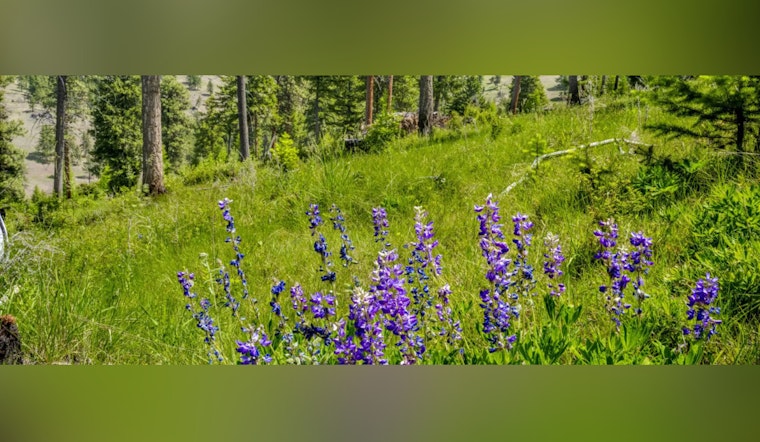
The vision for the Qapqápa Wildlife Area, a proposed 11,438-acre conservation tract about 10 miles southwest of La Grande that would have reopened tribal access to ceded lands and safeguarded long stretches of the Grande Ronde River and Beaver Creek, has fallen apart after the Harry A. Merlo Foundation walked away from the sale. State officials say the move also knocked loose a $22 million federal grant that had been lined up to close the purchase.
The Oregon Department of Fish and Wildlife announced Monday that the transaction had collapsed after the foundation withdrew for undisclosed reasons, according to The Oregonian/OregonLive. Tribal governments, conservation groups and local partners that had spent years assembling funding and a co-management plan were left scrambling to figure out whether any part of the deal can be salvaged.
What Qapqápa Would Have Protected
Backers described Qapqápa as a working-forest wildlife area that would permanently conserve 11,438 acres, knit together two pieces of the Wallowa-Whitman National Forest and restore access to traditional tribal fishing and hunting locations. The proposal covered about 5.6 miles of the Grande Ronde River and roughly 6 miles of Beaver Creek, habitat for threatened spring Chinook salmon, summer steelhead and bull trout, according to the Oregon Department of Fish & Wildlife.
Where The Money Came From
The land deal had secured a $22 million Forest Legacy award from the U.S. Forest Service in 2025, funding that project leaders said was essential to finalize the purchase and launch restoration work. That award came through the Forest Legacy State-Tribal Partnership program, which is designed to keep working forests intact while expanding public access and improving habitat, according to the U.S. Forest Service.
Why Tribes And Conservationists Backed It
Tribal leaders had cast the acquisition as a rare chance to regain access to lands ceded under the 1855 treaty and to manage them for tribal “first foods” such as salmon, deer and elk while sharing stewardship duties with the state. Conservation groups and local partners argued the plan would help block subdivision, lower wildfire risk and support local timber jobs, creating a blend of cultural restoration and rural economic stability.
How The Sale Unraveled
ODFW officials told reporters that the Harry A. Merlo Foundation withdrew from the land sale without publicly explaining why, effectively voiding the pending transaction, The Oregonian/OregonLive reported. The foundation had held and managed the property for decades, while partners worked with groups such as the Rocky Mountain Elk Foundation to guide the land into public ownership.
What’s Next
With the deal off, planned protections such as reconnecting streams to their floodplains and improving elk winter range are stalled, and the land remains in private hands. ODFW had promoted the acquisition as a way to avoid subdivision and secure long-term public access, but any renewed push will now need either a willing seller or a new financial playbook. For the moment, tribal governments and conservationists are back to watching and waiting for another opening that may or may not come.



