

























































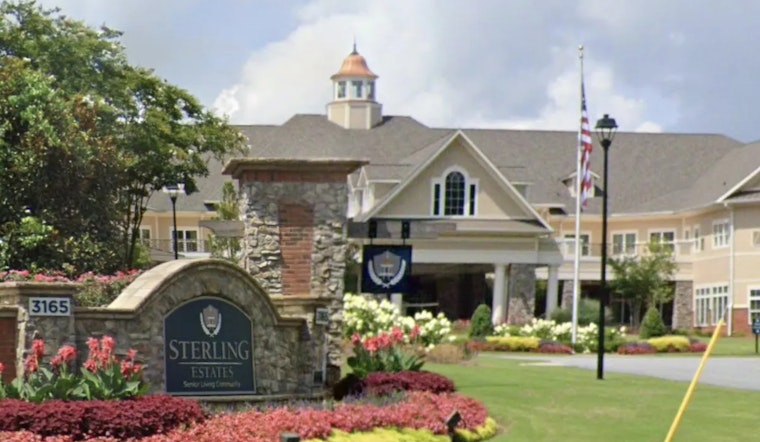
Investors are shelling out premium prices for senior living communities across Metro Atlanta, snapping up stabilized campuses and treating them like core multifamily plays. In recent weeks, single-asset deals have climbed into the hundreds of millions of dollars, signaling that buyers see dependable cash flow in a market where new supply is thin. The result: suburbs from Alpharetta to West Cobb have become hot, if pricey, targets for health care real estate capital.
One of the flashiest examples came in late February, when Healthpeak Properties paid roughly $240 million for Sterling Estates of West Cobb, a 244-unit community sold through two transactions that together topped recent high-water marks for local apartment trades, as reported by Bisnow. That same reporting notes Orlando-based Sentio Investments bought Village Park Senior Living in Alpharetta for about $99.4 million and Village Park Peachtree Corners for roughly $52.1 million. Taken together, those sales are part of a broader rush of senior housing deals that brokers say routinely attract multiple bidders when properties hit the block.
Supply crunch is driving rents and volume
National data helps explain why the bidding is so fierce. Rolling four-quarter transaction volume topped just over $24 billion by year-end 2025, while new senior housing starts in primary markets have fallen roughly 77% from pre-pandemic peaks. Research from JLL also shows seniors housing rents have climbed about 29% to an average near $5,479 per month and projects that the U.S. population aged 80 and older will grow roughly 36–37% over the next decade. Those demographic winds at investors’ backs, combined with a light development pipeline, are tightening occupancy and pushing valuations higher across the country.
Institutional buyers are not waiting on the sidelines. In January, LTC Properties announced a $108 million purchase of a three-property, nearly 400-unit portfolio in Metro Atlanta that the company said it bought below replacement cost and that is operated by The Arbor Company. “This acquisition sets the tone for 2026,” LTC’s chief investment officer said in the company press release, according to LTC Properties.
Why buyers are paying up
Local brokers and developers say the numbers favor owning over sitting out. Newmark Vice Chairman Ryan Maconachy told reporters he “doesn’t see any scenario where the industry delivers more than 10,000 units on an annual basis,” and Active Senior Cos. CEO Paul Aase said that when senior assets hit the market, they often draw multiple offers and lenders willing to provide non-recourse financing. Those dynamics have compressed cap rates and made well-run campuses in Metro Atlanta especially coveted, according to Bisnow.
Developers, however, still have to clear some high hurdles to get new projects off the ground. Barclays analyst Andrew Mok told a healthcare conference that construction lenders remain cautious after a supply boom in 2015–2017, which has kept many of them from backing large ground-up developments. That lender hesitation helps explain why so much of the recent activity in Atlanta has targeted existing, stabilized communities instead of brand-new builds. The conference transcript is available via Seeking Alpha.
For Metro Atlanta residents, the buying spree has very real consequences. Higher occupancy and rising monthly rates for senior units mean stronger cash flow for owners but steeper bills for many families. JLL’s investor survey found that 86% of respondents plan to increase allocations to senior housing in 2026, a trend that adds even more upward pressure on pricing in already heated markets like Atlanta. JLL.
Unless lenders grow more comfortable financing new projects or developers discover cheaper ways to build, investors are likely to keep fighting over existing campuses across the suburbs. For now, senior living in Metro Atlanta is looking less like a niche alternative and more like a core real estate bet for big-money institutions.



