

























































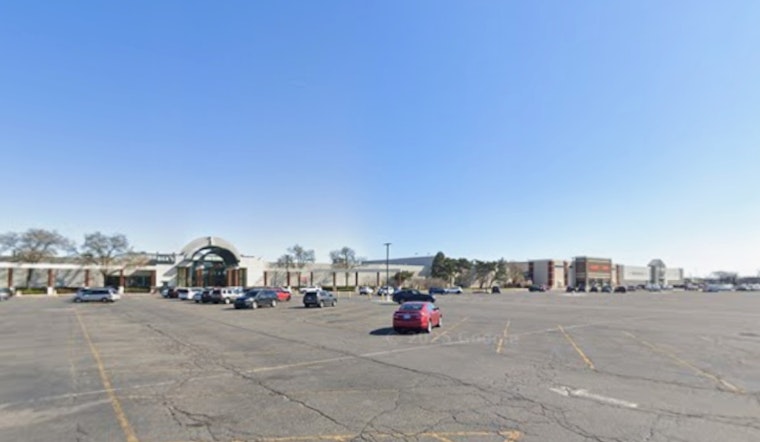
Metro Detroit’s shopping malls, once weekend staples and teenage proving grounds, are now staring down a tougher question: which ones can be rescued, and which ones are already too far gone?
On March 30, 2026, Crain's Detroit Business reporter Kirk Pinho zeroed in on six area malls and openly asked whether they are beyond saving. The group spans the full spectrum of mall life: a few relatively stable regional centers, others deep into demolition or redevelopment, and some stuck in an awkward in-between.
From Mall To Warehouse Or Town Center
Not every struggling mall ends up with the same fate. In Harper Woods, Eastland Center has already been knocked down and rebuilt as the Eastland Commerce Center, an industrial park that has secured tenants and public incentives, according to WXYZ. The site that once drew shoppers is now attracting trucks and warehouse jobs instead.
In Sterling Heights, Lakeside Mall has cleared the way for a planned mixed-use Lakeside Town Center after years of tenant losses and developer filings, as reported by Signature Associates. The vision there leans on housing, retail, and other uses woven into a more traditional street grid, a sharp pivot from the classic enclosed-mall formula.
Oakland Mall’s Bid For A Second Act
In Troy, Oakland Mall is trying a different path. Instead of bulldozers, the focus has been on rebranding and experimentation. Management has brought in rotating exhibits, family-focused entertainment and other nontraditional tenants as the owner tries to reposition the property for local families. Coverage of the mall’s strategy points to a heavier emphasis on events, pop-ups and experiential concepts to keep people coming through the doors while longer term plans are worked out, according to C & G News.
Which Malls Have A Real Shot At Survival?
Retail experts quoted in recent coverage say the strongest candidates to survive are the malls that either serve higher income trade areas, offer a distinctive tenant mix or function more like outlets and entertainment hubs than traditional department store corridors.
Bridge Michigan has chronicled the rise, fall and partial rebirth of Michigan’s malls and notes that the clearest path to long term viability is differentiation paired with mixed uses, from entertainment to housing. In other words, simply filling empty storefronts with more discount retailers is unlikely to be enough.
Why The Stakes Go Beyond The Food Court
When a mall dies, the damage does not stop at empty parking lots. City budgets lose tax revenue, local workers lose jobs and the surrounding neighborhood can lose a key social hub. By the same token, successful redevelopments can turn those losses around.
The conversions at Eastland and Lakeside came with promised jobs and tax incentive packages spelled out in filings and developer statements, according to public records and comments described in local reporting and developer disclosures. For city leaders trying to balance budgets and refresh aging corridors, those projects are more than real estate plays, they are fiscal and political bets.
The framing from Crain’s has reopened a broader regional debate: which malls should be nudged into new lives, which ones need a total reimagining and how much public support any of that deserves. Expect more city council hearings, incentive negotiations and developer paperwork in the months ahead as Metro Detroit decides which of its suburban shopping giants get a second act and which ones give way to something entirely different.





