

























































Hundreds of thousands of Haitian families just got a rare bit of good news out of Washington, and Miami had a front-row seat to making it happen.
A bipartisan push to force a U.S. House vote on protections for Haitian Temporary Protected Status cleared a major procedural hurdle Friday, putting the fate of roughly 350,000 people on the congressional calendar. The move, led by progressive Democrats and backed by a small but crucial group of Republicans, could keep work authorization in place for Haitians while court battles over TPS continue. Advocates in Miami and other Haitian hubs quickly hailed the step as a potential lifeline.
Discharge petition reaches threshold
The discharge petition hit the magic number of 218 signatures needed to pull H.R. 1689 out of committee and onto the House floor on Friday, March 27, according to the Miami Herald. That win on procedure means any lawmaker who signed on can call the measure up for debate on the next eligible Monday.
Supporters say the maneuver forces colleagues to go on the record about whether Congress will step in to protect Haitian TPS holders after the administration moved to roll the program back.
What H.R. 1689 would do
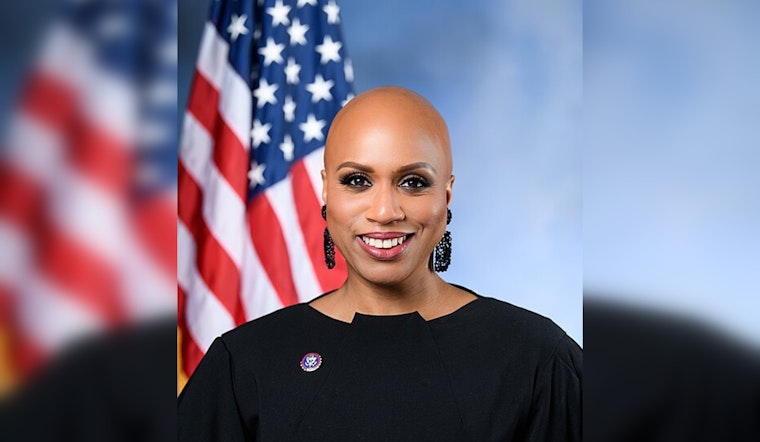
Rep. Ayanna Pressley filed the discharge petition in January to compel a vote on H.R. 1689, a bipartisan bill that would require the Department of Homeland Security to maintain Haiti’s TPS designation, according to Pressley’s office.
Pressley has framed the bill as both a humanitarian safeguard and a labor policy move, pointing to the large share of Haitian TPS holders working in caregiving and health care. If enacted, the legislation would extend TPS for Haitian nationals for three years and preserve their work permits during that period.
Rare Republican backing
The push attracted a notable slate of Republican supporters, including Reps. Maria Elvira Salazar, Brian Fitzpatrick, Mike Lawler and Don Bacon, a level of GOP backing advocates called historic, according to the Miami Herald.
Rep. Mike Lawler publicly confirmed in March that he had signed the petition, arguing that the crisis in Haiti made it untenable to send people back, per Rep. Lawler’s office. His support, combined with backing from South Florida Republicans, helped close the gap that had left the petition just short of 218 signatures for weeks.
Court fight heads to the Supreme Court
The legislative scramble is unfolding alongside a high-stakes legal fight over the administration’s attempt to terminate Haiti’s TPS designation. U.S. District Judge Ana C. Reyes issued an injunction blocking the termination, and a federal appeals court later upheld her order in a 2-1 decision, according to AP.
The cases affect roughly 350,000 Haitian nationals with TPS. The Department of Homeland Security has appealed to the Supreme Court, which has scheduled arguments on the related Haiti and Syria cases during its April session, including April 29, per SCOTUSblog. Whatever the justices decide will reshape the legal landscape even as Congress weighs H.R. 1689.
Why Miami cares
South Florida lawmakers and organizers have been central players in the fight, largely because of the region’s sizable Haitian community and the high concentration of TPS holders working in health care and caregiving jobs.
Local officials report that more than 4,000 Miami-Dade public school students have ties to Haiti, and they warn that losing TPS status would ripple through classrooms and care facilities across the county, according to Local 10. Community advocates, including the Florida Immigrant Coalition, say a mass loss of work authorization would trigger family separations and serious economic harm, the group told WLRN.
What comes next in Washington
If support holds, any lawmaker who signed the petition can move to bring H.R. 1689 up for debate on the next eligible Monday, using one of the House’s rarely deployed but powerful procedural levers.
Pressley and other backers say they turned to the discharge petition because Congress needs to act where the administration has not, according to Pressley’s office. Even if the House passes H.R. 1689, the bill would still have to clear the Senate and reach the president’s desk, a tall order given current Senate control and the broader politics around immigration.
Legal stakes
The Supreme Court is expected to hear the consolidated TPS challenges next month. The justices could leave the current protections in place, keeping work authorization intact, or open the door for the administration’s terminations to proceed.
SCOTUSblog reports that arguments are set for the court’s April session and that a decision could land by late June. Lawmakers and advocates say that ticking clock is exactly why they are trying to force a vote now instead of waiting to see how the court rules.
Immigrant-rights groups stress that even a successful vote would buy time, not deliver a permanent fix, and they say they will keep pressing Congress until there is a lasting path to stability. “No one should be deported into crisis,” leaders with the Florida Immigrant Coalition told WLRN, as faith leaders in Miami pledged to continue organizing.





