

























































Miami’s real-deal dive bars, the sticky floors, cheap beers and dim corner booths that have quietly stitched neighborhoods together for decades, are running out of room to breathe as glass towers and mixed-use projects creep onto their blocks. Longtime regulars say what is disappearing is not just late-night entertainment but the everyday social glue of the city. From North Bay Village to the edge of Coral Gables, owners are juggling steep property costs, looming site sales and the near-impossible dream of actually owning the land under their bars.
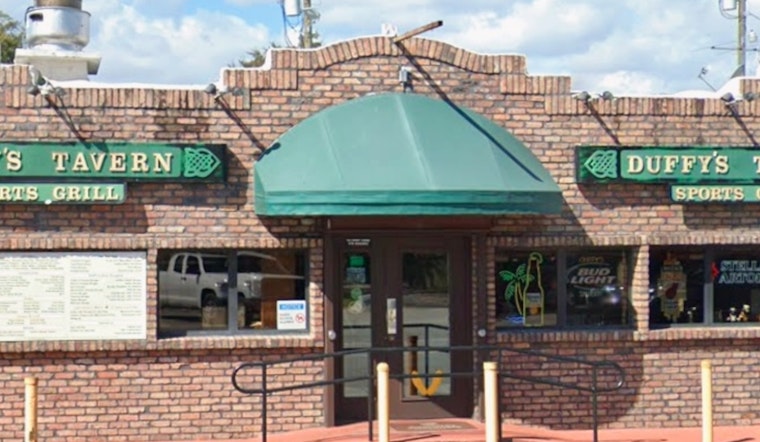
Owners and regulars told CBS Miami that the real threat to these classic watering holes is redevelopment, not a shortage of people at the barstools. “These locations are kind of dying,” Duffy’s co-owner Junior Silva said. Co-owner Jose El Toledo Jr. described a true dive as “a secret community bar,” a place that works best when it is hiding in plain sight. For operators who do not own their lots, there is little leverage when a developer shows up with a generous offer. The CBS report notes that smaller changes, such as new smoking rules, zoning tweaks and steadily rising rents, also chip away at the old-school barroom feel.
Site Sales, Not Empty Stools, Are Pushing Bars Out
Often it is the value of the dirt, not a failing business, that forces change. The site of Duffy’s Tavern sold in a high-value deal in mid-2024, and the buyer said the bar would remain as a tenant for the immediate future, according to Local 10. Sales like that tighten the screws on operators who rent instead of own, since a new landlord can eventually decide the bar no longer fits the plan. For a place like Duffy’s, the incoming owners may want to preserve the business, but long-term development plans can still rewrite the story of the entire block.
Happy's Stork Lounge Is Shoved Aside For A Mixed-Use Makeover
Happy’s Stork Lounge, a North Bay Village staple since the 1950s, lost its long-running corner at 79th Street and Treasure Drive when that parcel was turned into a mixed-use development, as reported by the Miami Herald. The fate of Tobacco Road, whose original Brickell building was demolished after its 2014 closing, still hangs over every conversation about beloved bars and bulldozers, according to The Real Deal. Owners say relocating only a few blocks keeps a name alive but strips away some of the magic, since the street itself and the surrounding neighbors do a lot of the work in making a dive feel like home.
How Some Rooms Are Trying To Survive
Some institutions are hanging on by evolving in place. Ball & Chain has leaned into a more polished live-music format and tourist-friendly vibe while still nodding to its history, and other bars are experimenting with events, tighter menus or strategic partnerships to lift revenue, CBS Miami reported. Owners concede that these moves can keep the lights on yet risk sanding down the rough edges that define a “true” dive. For the regulars, the choice is often stark, a bar that feels a little less like itself or no bar at all.
For now, the battle to preserve Miami’s dive bars looks less like a culture war and more like a slow-motion property dispute. Operators who do not control their land are left negotiating for survival in a market that rewards big builds and bigger price tags. The regulars keep showing up, and a new generation of caretakers insists it will fight to hold onto the soul of these rooms, but the next few years will reveal which spots actually outlast the cranes. The scramble is a reminder of how much of Miami’s local life still lives inside these small, stubborn bars.





