

























































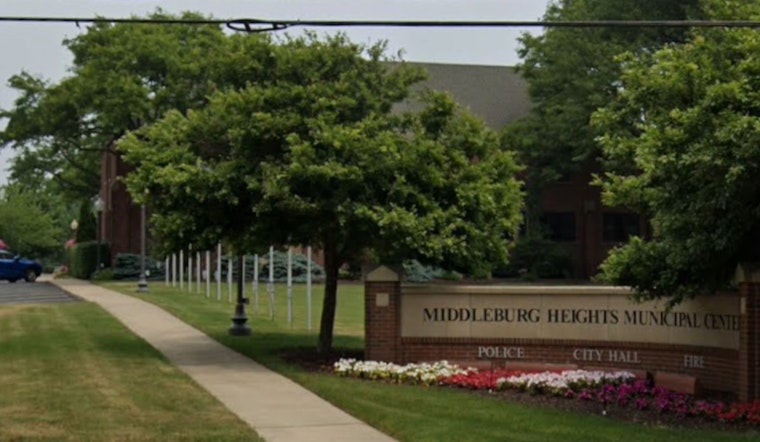
Middleburg Heights is drawing a hard line at the park gate, passing a new ordinance that largely shuts registered sex offenders and people convicted of offenses of violence out of most city-owned parks and recreation facilities. Under the rules, those individuals are allowed onto certain city properties only if they need to attend a city council or other public board meeting, and only for that purpose. Anyone who ignores the ban could be charged with criminal trespass under city or state law.
What The New Park Ban Covers
The ordinance defines a "registered offender" by referring to Ohio's sex offender classifications and lists specific properties where the restrictions apply. Those covered areas include the Middleburg Heights Community Center, the City Hall complex, the Uhlin Soccer Complex, Central Park and facilities shared with the Berea school district. The law says no registered offender, and no person convicted of an "offense of violence," may enter or remain at those sites except to the limited extent required to attend meetings of public bodies. Anyone who violates the ban "shall be guilty of criminal trespass" under the city code or state law, according to the City of Middleburg Heights.
Council Sign-Off And A Divided Reaction
Council approved the measure in late February, and Mayor Matthew Castelli signed it soon after, as reported by Cleveland.com. Police Chief Robert Swanson described the ordinance as narrow and said it would "require offenders to draw attention to themselves before enforcement." Defense attorney Cullen Sweeney, on the other hand, labeled the ordinance "ill-conceived, counterproductive and potentially unconstitutional," according to the same report.
Constitutional Questions On The Horizon
Ohio already limits where certain sex offenders can live. Ohio Revised Code Section 2950.034 bars some registrants from establishing a residence within 1,000 feet of schools, preschools or child-care centers. Courts and legal summaries show that when local governments extend restrictions into public parks and recreation centers, those rules have sometimes been challenged or struck down. Collections of that case law appear through the SMART Office of Justice Programs, and human-rights groups have documented residency and exclusion regimes across the country.
How The City Says It Will Enforce It
The ordinance states that anyone who violates the restrictions can be charged with criminal trespass under either the Middleburg Heights code or Ohio's trespass statute. It does not outline a process for people who have completed their sentences to restore access to the affected parks and facilities, according to the ordinance and subsequent reporting. For the full text of the measure and details on how officials rolled it out, see the City of Middleburg Heights and coverage from Cleveland.com.
What Residents Are Watching For Next
Supporters of the new law frame it as a straightforward safety measure aimed at playgrounds, fields and other family spaces, arguing that it is a practical step to protect children and parents. Opponents and civil-liberties advocates counter that the ordinance is likely to invite court scrutiny and could be struck down. The coming weeks will show whether prosecutors begin filing trespass charges under the new rules, or whether the first move instead comes from a legal challenge that lands the ordinance in front of a judge.





