

























































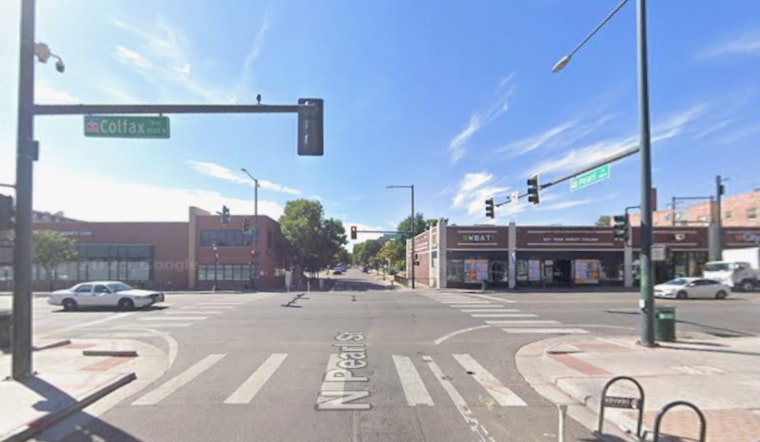
Denver's normally dull crosswalk beeps turned into a political rant over the weekend when audio on several push-button speakers was swapped out for anti-Trump recordings instead of the usual "wait" and "walk" prompts. A robotic voice, captured in social videos, reportedly announced, "The walk signal is on, Trump ..." while other clips featured profanity aimed at the former president. Those spoken prompts come from Accessible Pedestrian Signals, devices meant to help people who are blind or have low vision cross intersections safely.
According to The Denver Gazette, Denver's Department of Transportation & Infrastructure (DOTI) is aware of two locations that were hit: Pearl Street at Colfax Avenue and Colfax at Washington Street. The Gazette reports that clips of the altered messages first showed up on TikTok and Instagram, where users shared videos of the talking crosswalks. City staff told reporters the buttons had only recently been powered on when the rogue audio appeared.
DOTI Communications Director Nancy Kuhn told The Denver Gazette that the units "were newly installed, still bagged" and had been left with factory settings that included an easily discoverable default password. She said city crews have since changed the password and do not expect a repeat performance at those corners. Officials emphasized that the buttons were not supposed to be operational yet and that crews are now reviewing configuration practices for newly installed equipment.
Not the first time signs have been hijacked
Hijacked roadway signs are not exactly rare. In June 2025, a construction message board in Denver briefly flashed the message "BRING THE HEAT FUCK ICE," according to Westword. Researchers who study intelligent-transportation systems have documented similar tampering with variable message signs and other connected traffic devices around the country when equipment is left accessible or kept on manufacturer defaults. A 2022 literature review on intelligent-transportation vulnerabilities notes multiple past incidents and warns that networked sign interfaces can be exploited remotely if basic protections are not enabled, as per WJET/SCIRP.
Why the audio matters
Accessible Pedestrian Signals are safety tools, not party tricks. They provide locator tones and spoken cues that help people who are blind or have low vision find the button, line up correctly, and cross during the walk phase. Federal guidance from the Federal Highway Administration states that pedestrian facilities must be accessible and highlights the role of APS in helping people with disabilities cross streets safely. When those audio cues are altered, missing, or misleading, users who rely on them lose information they need to travel independently and safely.
Security fixes and next steps
Security experts and federal agencies say that basic cyber hygiene often stops this kind of low-effort hijack: change factory passwords, keep an inventory of internet-connected devices, and cut down on how many control interfaces are exposed to the public internet. The Cybersecurity and Infrastructure Security Agency's exposure-reduction guidance lists changing default passwords and shrinking the number of publicly reachable devices among the top quick wins for organizations. After an incident, local transportation agencies typically work with contractors and manufacturers to verify that firmware, passwords, and access controls are set correctly before equipment is left active.
For now DOTI says the affected crossings have been reconfigured and passwords updated, and the city does not expect further incidents at those poles. Pedestrians who notice strange or off-script audio at any crosswalk are encouraged to report it to 311 or DOTI so crews can check it out quickly.




