

























































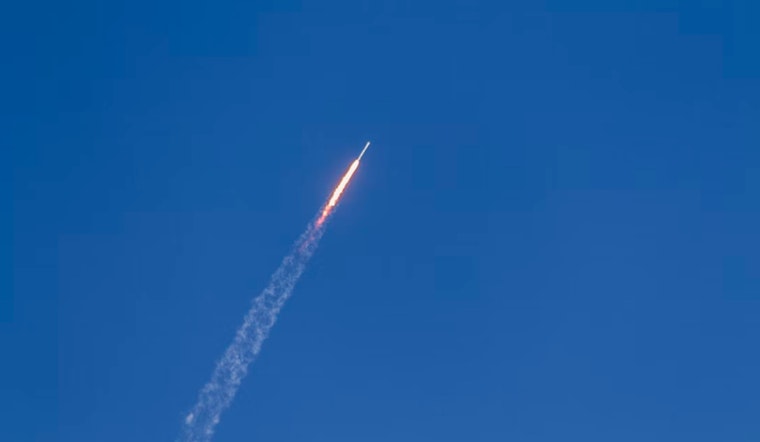
Iranian missiles slammed into the southern Israeli towns of Dimona and Arad late Saturday, slicing through local air defenses near Israel’s Negev nuclear research center and leaving dozens wounded, officials said. The strikes, part of a broader wave of launches across the Gulf and the eastern Mediterranean, set off frantic emergency responses and fresh diplomatic tension from Washington to Gulf capitals.
Rescue services and hospitals reported multiple people treated for shrapnel wounds and other injuries after impacts and building collapses, according to The Associated Press. Local emergency crews described damaged apartment blocks in Arad and heavy structural destruction in parts of Dimona as search and rescue teams worked through the night.
What Israel Says About the Interception Failure
The Israeli military said it attempted, but failed, to intercept at least one of the missiles that hit Dimona and has opened an investigation into what went wrong, according to The New York Times. Prime Minister Benjamin Netanyahu called it “a very difficult evening” as authorities rushed extra emergency resources into the Negev region.
Gulf Air Defenses Intercept Other Launches
The United Arab Emirates reported that its air defense systems intercepted multiple ballistic missiles and dozens of unmanned aerial vehicles launched from Iran, underscoring how far the barrage reached across the region, per Gulf News. Gulf states have been scrambling to shield key infrastructure and warn commercial shipping after waves of attacks in recent days.
Long-range Attempt and U.S. Naval Response
U.S. officials said Iran also fired long-range projectiles toward the remote U.K.-U.S. base on Diego Garcia in the Indian Ocean. Some reports indicated that at least one missile failed in flight and others were engaged by U.S. shipboard interceptors, according to The Associated Press. Washington has repositioned naval assets and says it is working with partners to protect sea lanes and bases in the region.
Diplomatic Fallout and Short-term Economic Moves
The attacks triggered swift diplomatic fallout. Saudi officials announced expulsions of Iranian diplomatic personnel, and Western capitals signaled increased pressure on Tehran, according to reporting compiled by The New York Times. Officials also described short-term economic steps, including temporary licenses to allow the sale of Iranian-origin oil already loaded at sea, moves meant to help steady jittery markets even as fighting continues.
The strikes, including at least one that landed near Israel’s most sensitive nuclear research infrastructure, have amplified concerns about gaps in missile defenses and the risk of rapid escalation. Investigations and after-action reviews are underway, and analysts will be watching closely to see whether the exchanges grow in scale or scope in the coming days.





