

























































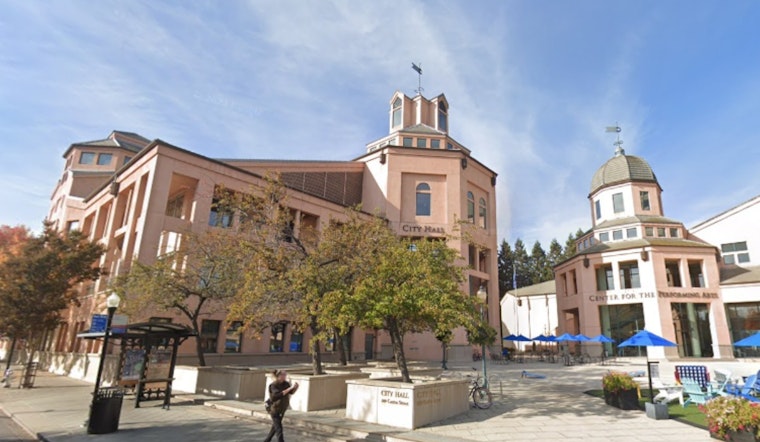
Mountain View is staring down a widening gap between the thousands of homes it is required to plan for and the relatively tiny share that are actually moving into construction. On paper, the city is awash in future housing. On the ground, only a fraction is getting built. With a state mandate hanging over City Hall, leaders are trying to balance tenant protections, affordability rules and financial reality, and they are not convinced it all adds up yet.
According to a Mountain View staff report presented to the Environmental Planning Commission on Feb. 18, the city issued building permits for 388 residential units in 2025. That brings the total since mid-2022 to 1,867 units, or about 16.8% of Mountain View’s 11,135-unit Regional Housing Needs Allocation for the 2023–2031 planning cycle.
Approved Projects, Bare Dirt
The report notes that 3,606 residential units have been approved but have not yet broken ground, with another 4,914 units still under entitlement review. All told, the city’s sites inventory shows potential capacity for about 15,703 units when you add up pipeline projects, opportunity sites and provisional rezonings. In theory, that is enough to close the RHNA gap. In practice, the report warns, many of those projects are stalled in the limbo of pre-construction.
Why So Many Projects Are Stuck
“I think the numbers are bearing out that it’s just really difficult to get the financing lined up to transition to the construction phase,” Community Development Director Christian Murdock told Mountain View Voice. Developers and lenders are pointing to high interest rates along with rising materials and labor costs, regional headwinds that make it hard for projects to “pencil” even when they have approvals in hand.
Affordability, Zoning And Tough Trade-offs
State housing law requires Mountain View’s RHNA target to be spread across income levels, including very-low, low, moderate and market-rate housing. On top of that, the city’s own City of Mountain View Below-Market-Rate program generally sets affordable housing requirements at 15% of new market-rate units. Officials are also pursuing a City of Mountain View R3 multifamily zoning update aimed at making denser projects easier to build.
All of that turns into some very local, very political questions: where to put market-rate versus affordable buildings, what to upzone, and how to do it without pushing out existing residents. Those debates are increasingly at the center of the city’s housing agenda.
What City Leaders Are Trying Next
Mountain View has secured the state’s coveted California Department of Housing and Community Development Prohousing designation, which is meant to give cities a leg up when competing for certain housing grants. City officials say they intend to leverage that status to chase Prohousing Incentive Program dollars and other grants to help subsidize affordable developments, according to Mountain View Voice.
Mountain View is hardly alone in the slowdown. Regional reporting shows the San Jose area metro logging some of the steepest drops in building permits in the state, a sign that financing and cost pressures are hitting the entire area. To actually reach its 11,135-home target by 2031, Mountain View will need local policy tweaks and a friendlier financial climate. For now, both pieces of that puzzle are still up in the air.





