

























































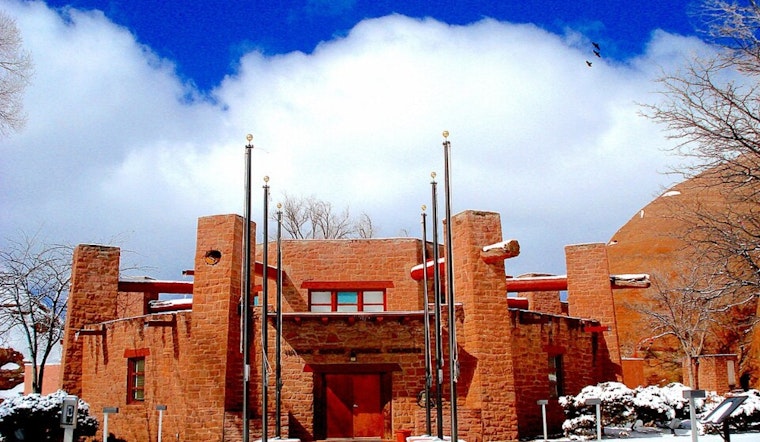
The Navajo Nation and the Utah Film Commission have inked a memorandum of understanding dated Feb. 27 that aims to keep film shoots on Navajo lands while guarding culturally sensitive sites and growing local film jobs. The deal treats on-location production as both an economic engine and a platform to elevate Indigenous voices, from below-the-line crew training to Navajo-language storytelling. Tribal and state officials say the agreement will shape where and how film crews operate in Monument Valley and surrounding areas.
In a press release from the Navajo Nation Office of the President, tribal leaders describe the memorandum as a practical roadmap to draw in productions while protecting sacred resources and building long-term workforce pipelines. The release names Navajo Nation TV & Film (NNTVF) and the Utah Film Commission as the administrative partners and says the MOU will support training programs, Navajo-led storytelling, and the revitalization of Diné Bizaad on screen. President Buu Nygren called the move a recognition that “film is not only art, but business,” tying cultural stewardship directly to local jobs and tourism.
Local film permitting and on-the-ground oversight will remain firmly in tribal hands, according to reporting from KJZZ, which quoted Edsel Pete, program manager for NNTVF: “If they say no, we tell the film production, no.” Pete told KJZZ that his office manages permits for locations outside designated tribal parks and that productions asking for intrusive stunts or heavy equipment can be turned down. The message from tribal leaders is straightforward: film shoots are welcome, but the land and culture set the ground rules.
How the partnership will work
The Utah Film Commission, housed within the Governor’s Office of Economic Opportunity and the Utah Office of Tourism, will act as a connector for productions seeking locations and local vendors. The commission already markets Utah to film crews and runs incentive and workforce programs aimed at hiring local crew and businesses. Under the MOU, the existing system is tied more directly to Navajo Nation approvals and local training efforts. Officials say the setup should make it easier for producers to scout Monument Valley while channeling more spending into nearby Navajo communities. Utah Film Commission materials highlight the state’s long history of hosting productions and building local crew pipelines.
Monument Valley’s movie legacy
Monument Valley, the iconic red-rock ridgeline that has become visual shorthand for the American West, sits at the heart of this agreement. KJZZ reports that the Monument Valley Tribal Park spans roughly 91,696 acres and attracts close to half a million visitors each year, and points to the classic John Ford westerns that helped make the landscape legendary on screen. Utah Film Commission director Virginia Pearce told KJZZ the MOU lets the commission “lean on people on the ground” and promote Monument Valley while honoring tribal rules for on-site filming.
Local stakes at Goulding’s Lodge
The Navajo Nation’s 2023 purchase of Goulding’s Lodge put the tribe in control of a longtime filming hub and visitor gateway, a shift Hoodline reported when the deal closed. The purchase, widely reported at roughly $59.5 million, now positions the lodge as a key partner under the new agreement as producers, tour operators and film history fans converge on the area. Hoodline’s earlier reporting framed the buy as part of a broader push to keep tourism revenue and management decisions within Navajo hands.
Training and representation
The MOU puts heavy emphasis on workforce development. The Navajo Talent Agent Program and related efforts are intended to train both behind-the-scenes technicians and on-camera talent from the Nation. According to the tribal press release, the partners will organize workshops, exchanges, and professional training designed to create sustainable careers for residents and to increase the number of Indigenous storytellers working in film. Tribal officials cast these pieces as essential so that productions hiring locally also build pathways for Indigenous professionals to shape how the region and its people are portrayed.
What’s next
Arizona has already signed a similar partnership with the Navajo Nation in recent years, and Utah officials say this new MOU is part of a broader regional push to coordinate production and protect tribal interests while expanding film jobs. The Arizona Commerce Authority and the state film office have promoted comparable workforce and location agreements that aim to steer production dollars into local communities. Going forward, producers who want to shoot in or near Monument Valley will be expected to work with both the Utah Film Commission and the Navajo Nation TV & Film to secure permissions, crew, and community support.
The MOU is voluntary and nonbinding, but tribal leaders say it gives the Navajo Nation clearer tools to approve shoots that respect land and culture, and to turn away those that do not. For communities around Monument Valley, the hope is that tighter coordination will turn film sets into predictable local paychecks instead of one-off intrusions.





