

























































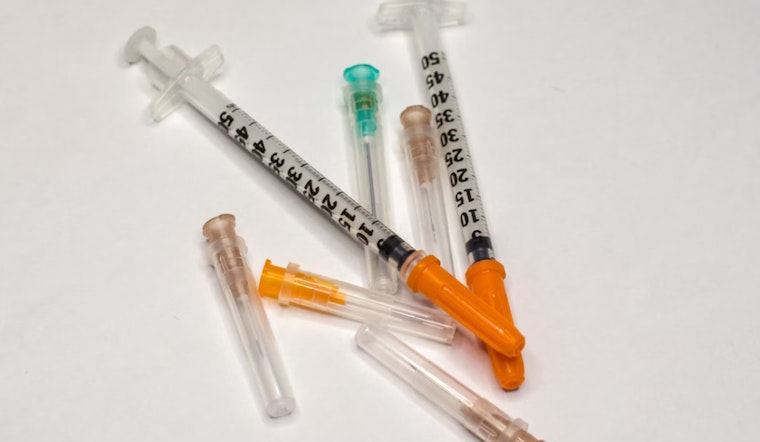
Discarded syringes are turning up again across Boston, but the spike is hitting some neighborhoods much harder than others. While certain parts of the city have seen declines, places like the South End, Back Bay and Jamaica Plain are reporting more needles in parks, playgrounds and around libraries. Volunteer crews say early-morning sweeps now routinely start with picking up syringes, even as city and nonprofit programs that once hauled away huge numbers of them have changed or gone quiet in recent years.
A review of Boston 311 calls by Boston.com found that citywide requests for needle pickups jumped nearly 71 percent from 2022 to 2025, although totals still sat about 17 percent below 2020 levels. Within that overall trend, Jamaica Plain logged a 149 percent increase in reports, climbing from 235 pickup requests in 2020 to 585 in 2025. In Back Bay, calls rose from 798 to 1,382 over the same five-year period. At the intersection of Blagden and Exeter streets behind the Boston Public Library, requests shot up from just two in 2020 to more than 100 in 2025.
Buyback Program Wound Down After Federal Funds Expired
One major piece of Boston's cleanup effort, the Community Syringe Redemption Program, shut down after its federal pandemic relief dollars dried up. The buyback had paid 20 cents per used syringe, drawing in large volumes from people who live or work on the streets. According to The Boston Globe, the program collected nearly 1.8 million syringes in its final year and removed millions more since launching in late 2020.
City Response, Harm Reduction And Reporting
The Boston Public Health Commission says it still treats syringe distribution and cleanup as core parts of its harm-reduction strategy, but staff have adjusted how and where supplies are handed out in an effort to limit neighborhood impacts and encourage people to come indoors for services. City guidance urges anyone who spots a syringe to call 3-1-1, and outlines where used sharps can be dropped off, how to handle them safely and how the Mobile Sharps Team carries out proactive sweeps and rapid pickups. Details on reporting and disposal are listed in Boston Public Health Commission materials.
Crews, Volunteers And The Changing Tally
Neighborhood groups and partner programs say they are trying to fill the hole left by the end of the buyback. The Back2Work street-cleaning program, which employs people in recovery through the Newmarket Business Improvement District, reports picking up about 89,000 needles in 2024 and hiring more than 200 people for cleanup and outreach. Community leaders argue that 311 calls capture only a fraction of what is actually out there, estimating that for every reported ticket there may be 10 or more needles that never make it into the system. They point to the buyback effort and rapid-response crews as a key reason complaints dropped when those services were fully operating, citing program estimates and on-the-ground observations described in materials from the Newmarket Business Improvement District.
Advocates and public-health experts warn that a mix of fewer funded buybacks, tighter rules on street syringe distribution and stepped-up enforcement at the "Mass. and Cass" intersection could make it harder for people who use drugs to reach services, while pushing more discarded syringes into corners of the city where they are less likely to be reported. Proposals that would move people more quickly into treatment or the criminal justice system have drawn cheers from some neighbors and skepticism from health professionals, as WBUR has reported.





