

























































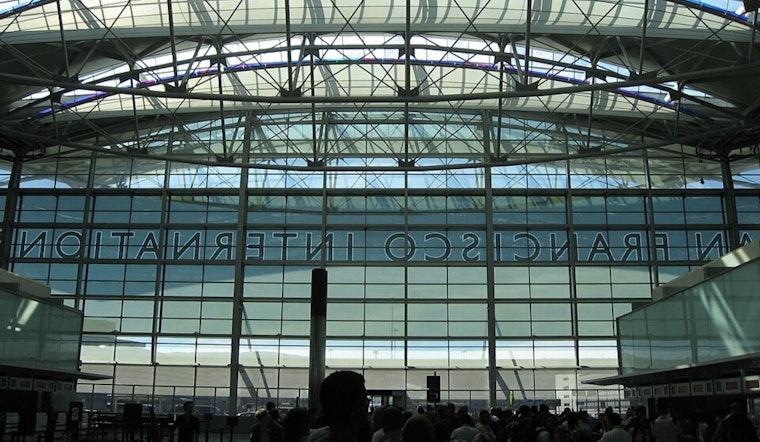
San Francisco flyers are about to lose some juice in their carry-ons. Today, the U.N. aviation agency adopted a global rule that limits each passenger to two power banks and forbids recharging them during the flight. The change is set to hit long-haul commuters and anyone who counts on backup batteries to work between legs out of SFO.
What changed
The International Civil Aviation Organization said the new guidance, effective immediately, caps travelers at two power banks each and shuts down in-seat charging of those batteries, according to Reuters. The guidance is meant to pull scattered airline policies into line after a run of incidents involving lithium-ion batteries.
Why regulators tightened rules
The move follows high-profile battery fires, including an Air Busan blaze on Jan. 28, 2025, that investigators said was likely started by a power bank stored in an overhead locker. That incident, along with several in-flight smoke events, pushed regulators and carriers to rethink how passengers carry and use spare batteries, according to the BBC.
What's in the guidance
Industry guidance and recent airline policies generally require power banks to travel in carry-on only. Most consumer power banks are treated as up to about 100 watt-hours, while units between 101 and 160 Wh usually need airline approval and may be limited to two, according to IATA. Many carriers are also restricting where power banks can be stored on board, keeping them within reach rather than in overhead bins, and barring in-flight charging of power banks on affected routes.
How airlines are reacting
Airlines around the world have already tightened rules. Some European and Asian carriers have set quantity caps and bans on in-flight charging ahead of the new ICAO guidance. For a concrete example of an airline policy reflecting these limits, there is airline guidance that allows up to two power banks per passenger and prohibits recharging in flight, such as the policy published by ITA Airways.
How to pack and prepare
Travelers are urged to tape or otherwise insulate exposed terminals, carry power banks in a protective pouch, and keep them on their person or under the seat rather than in checked baggage. Aviation safety bodies, including the European Union Aviation Safety Agency, have called for improved crew training and clearer passenger communication about lithium-battery risks, per EASA.
At the gate, expect agents to pay closer attention to how many chargers you carry, and expect specific rules to vary by carrier and route, so check with your airline before you travel. For SFO flyers with tight connections or long international legs, that likely means planning charging stops in terminals instead of relying on mid-flight top-ups.





.jpg)