

























































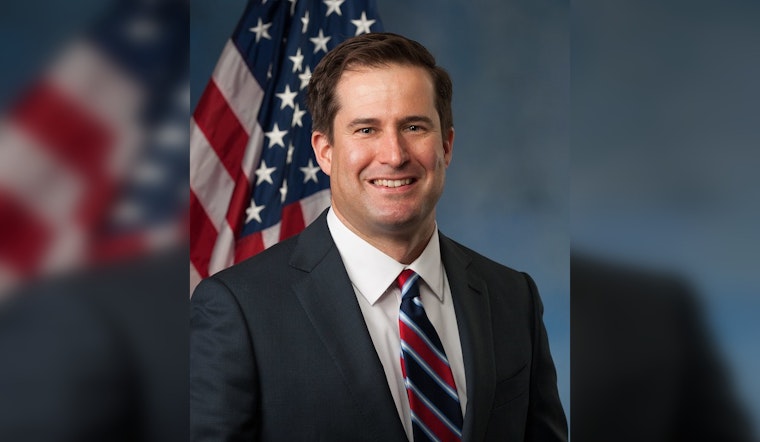
The Democratic primary to replace Rep. Seth Moulton in Massachusetts’ Sixth Congressional District is already doubling as a test of what kind of Democrat voters want next. On one side is Dan Koh, a former Biden administration official and veteran of city and state government, who has quickly become the fundraising and endorsement frontrunner. Lined up against him is a mix of former state lawmakers, ex-staffers and first-time candidates, all trying to sell a more local, neighborhood-first pitch to voters across the North Shore and Merrimack Valley.
The race has drawn eight Democrats and two Republicans so far, mixing familiar North Shore figures with political newcomers and creating a crowded scramble for attention and support, as reported by WBUR. Local party committees and town halls are already filling calendars with forums and caucuses where voters are weighing long résumés against fresh faces. That early churn is feeding a larger argument over what kind of profile can actually hold this open seat.
Money and high-profile backing
Koh began the year with nearly $2 million in contributions since entering the race in October, giving him a clear early financial edge, according to The Boston Globe. Trailing him on the money front is John Beccia, who has reported about $1.1 million raised and has personally loaned his own campaign nearly $800,000, a level of self-funding highlighted in national fundraising coverage. Koh has also drawn national attention and headline-hosted events, including an out-of-state fundraiser, and he promotes a long roster of endorsements on his campaign site that runs from local officials to better-known national names.
Insider vs. outsider pitch
The insider-versus-outsider theme has become the main storyline every time the candidates share a stage. Rick Jakious, Moulton’s longtime chief of staff, has warned caucus audiences that they might not want “a product of Washington dysfunction, who’s paid for by the Washington elite and billionaires,” a line captured in local reporting. Jakious and other continuity-oriented contenders argue that years of constituent work and relationships in all 39 communities in the district are not just talking points, they are what turns into immediate results for residents once someone is sworn in.
Local ground game and voter mood
Rivals are betting that old-school retail politics can still beat a big bank account. State Rep. Tram Nguyen and former state rep. Jamie Belsito have leaned into town halls, union networks and door-to-door organizing in an effort to chip away at Koh’s financial advantage, while progressive hopefuls are working to spark grassroots energy and stack up local endorsements. Coverage in community outlets and town committee listings shows a packed spring schedule of forums and meet-and-greets, giving voters plenty of chances to size up contenders in person, a crucial opportunity for candidates who cannot match top-tier fundraising totals.
Timeline and what’s next
The state primary is set for September 1, 2026, which leaves campaigns months to gather signatures, build volunteer operations and refine their closing arguments, according to the Secretary of the Commonwealth’s election calendar. Nomination papers became available in February, and early endorsements and debate-style forum performances are expected to thin the field well before Labor Day, as noted in regional politics coverage. With the calendar locked, the money race, the on-the-ground organizing and the chase for outside backing are all likely to ratchet up heading into summer.
On paper, it is one open House seat. In practice, the primary is shaping up as a verdict on whether Massachusetts Democrats will reward national experience and big-name support or favor candidates whose pitch is rooted in neighborhood organizing and constituent service. The district still leans strongly Democratic in the general election, so whoever survives the primary is favored to land in Washington, carrying the approach that voters here choose this fall.




.jpg)