

























































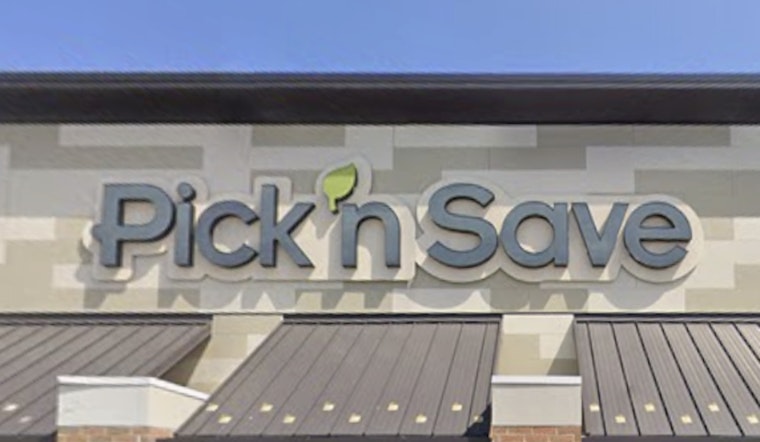
Newly crunched numbers are throwing cold water on the idea that out-of-control shoplifting forced Kroger to close five Pick ’n Save stores in and around Milwaukee last year. Police records show that most of the locations that went dark were actually seeing fewer theft-related reports over time, not more, raising sharper questions about why those particular stores landed on the chopping block.
Data That Pokes Holes In The Theft Storyline
According to a newsroom analysis by the Milwaukee Journal Sentinel, police incident reports from 2019 through 2024 show that seven of eight Pick ’n Save locations studied recorded declines in theft-related incidents. Across all eight stores, the average landed at about 28 theft-related incidents per year.
Some of the drops were steep. Reported theft incidents in Metcalfe Park fell roughly 71 percent over that period, while Midtown saw about a 37 percent decline. Oak Creek was the notable outlier with about a 17 percent increase. Overall, theft-related reports at the stores declined roughly 18 percent between the pandemic-era years and 2022 through 2024, according to the analysis. Taken together, the stores that were ultimately closed recorded an approximate 13 percent decline in theft-related incidents across that six-year window.
Corporate Spin, Store Closures And Food Access Fears
Kroger, the Cincinnati-based parent of Roundy’s and Pick ’n Save, announced in June 2025 that it would shutter dozens of underperforming locations nationwide, according to the Milwaukee Business Journal. That cutback list included five stores in Milwaukee County, including locations that had been anchors in their neighborhoods for years, a detail noted in coverage of the five local store closures.
As those stores went offline, Mayor Cavalier Johnson publicly shifted focus to food access and floated roughly $1 million in proposed support for neighborhood grocers, according to FOX6.
Mayor Says Kroger Pointed To “Shrinkage”
Mayor Johnson said the company did more than wave at broad economic headwinds when it explained the closures.
“The retailer told me it closed stores in part because of shrinkage,” Johnson told reporters, according to the Milwaukee Journal Sentinel. The paper also reports that before the shutdowns, Kroger had already rolled out a series of loss-prevention steps at several locations, including receipt checks at the door, contracts with third-party security and swapping some self-checkout lanes for staffed registers, moves the company said were aimed at curbing shrinkage.
Neighbors And Aldermen Push Back On The Narrative
Not everyone is buying the idea that struggling neighborhoods alone sank the stores. Ald. Russell W. Stamper II called that narrative “not supported by the facts” and said he is working with the Department of City Development to maintain grocery capacity in the affected areas, according to a statement from the city.
Residents and community groups in Metcalfe Park and other neighborhoods did not simply shrug and move on. They organized rallies and town halls after the closure announcements, pressing Kroger and local officials for more notice and more help, as documented by the City of Milwaukee and the Milwaukee Neighborhood News Service.
What “Shrinkage” Really Covers
“Shrinkage” might sound like a vague buzzword, but in retail-land it has a very specific meaning. It refers to inventory and cash losses that can come from several sources: external theft such as shoplifting and organized retail crime, internal theft by employees, process or administrative errors, damaged goods and vendor problems.
The National Retail Federation’s 2023 survey notes that shrink is largely driven by internal and external theft. It also reports that when retailers see or perceive increases in shrink, they often respond by cutting hours, changing what products they carry or even closing underperforming stores altogether.
What To Watch Next
The Journal Sentinel’s analysis complicates the neat storyline that crime alone forced Kroger’s hand and instead nudges the public conversation toward corporate strategy, operating costs and basic access to groceries in Milwaukee neighborhoods.
City leaders say they are pursuing emergency grants to help struggling grocers hang on, while aldermen have signaled interest in measures that would require more advance notice when a neighborhood grocery store plans to close. Advocates argue that longer notice and targeted funding could soften, even if not completely prevent, the immediate harm to shoppers who suddenly lose their closest full-service store.
In the coming weeks, officials, residents and industry watchers alike will be keeping close tabs on any proposed ordinance language, the specifics of funding plans and any public response from Kroger.





