

























































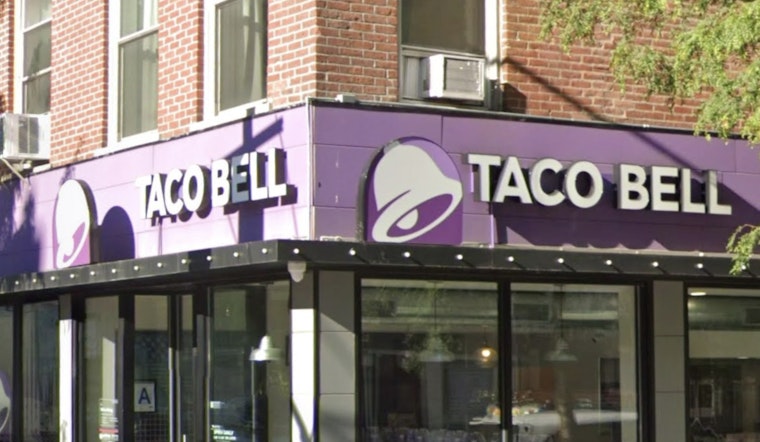
A major New York City franchise operator behind multiple Taco Bell and Dunkin' locations is cutting a significant check after city investigators said it repeatedly broke the rules on how fast-food workers are scheduled. Officials said staffers were often given little notice when shifts changed, were skipped over for newly opened hours in favor of fresh hires, and missed out on required extra pay for punishing "clopening" shifts, where workers close late at night and return to open early the next morning. The more than $1.5 million settlement is intended both to compensate affected employees and to force changes in how schedules are handled at the company’s stores.
As reported by Reuters, the city’s Department of Consumer and Worker Protection said Salz Management LLC agreed to pay over $1.5 million in restitution and civil penalties to resolve the probe. The city alleged the operator frequently failed to offer open shifts to existing employees before hiring new workers and did not pay the required premiums for closing-then-opening shifts, the agency said. Reuters also noted that the same franchisee had been ordered to provide relief to more than 100 workers in 2022 and that Mayor Zohran Mamdani took office in January 2026, as the city ramps up its enforcement efforts.
City enforcement under Fair Workweek
The city’s consumer and worker protection agency has been leaning hard into the Fair Workweek law, stepping up scrutiny of scheduling practices at fast-food chains. Officials say they opened dozens of investigations into fast-food employers last year and secured relief for workers who lost income to last minute changes and unpaid premiums. According to the NYC Department of Consumer and Worker Protection, those probes have led to a string of settlements and compliance agreements with franchise operators. City leaders frame the crackdown as an attempt to stabilize paychecks and make weekly hours less of a guessing game for low wage employees.
Industry pushback and what it could mean
Not everyone in the business community is cheering. Trade groups told reporters that many franchisees see the Fair Workweek requirements as complicated to follow in a business that lives on fluctuating demand and warn that strict rules could push some operators to trim headcount or cut back on hours, according to Reuters. The Reuters report added that larger parent companies such as Yum! Brands and Inspire Brands did not respond to requests for comment. Worker advocates counter that for employees juggling multiple jobs, childcare and unpredictable commutes, a reliable schedule is not a perk, it is survival.
Legal implications for franchisees
The case is a pointed reminder that local labor rules can carry real financial bite for franchise owners, with restitution checks and fines waiting at the end of an investigation. The NYC Department of Consumer and Worker Protection has the power to seek both compensation for workers and civil penalties, and repeat runs with the agency can drive up that bill. For franchisees, the Salz Management settlement underscores that ignoring scheduling rules is not just a paperwork problem, it is a legal and reputational risk that can keep surfacing if practices do not change.
For Staten Island crew members and fast food workers citywide, the latest deal is a clear signal that the Fair Workweek law has teeth and that the city is prepared to chase remedies when employers fall short on scheduling protections. As the Mamdani administration settles in, both workers and operators will be watching to see whether enforcement continues to intensify. The outcome of these cases could shape how franchisees staff their restaurants and how aggressively labor advocates push for even more predictable work hours across New York City.


